
Sofa, Mattress and Carpet Deep Cleaning in Dubai
Soft furnishings need a completely different kind of cleaning from hard surfaces. A worktop is wiped; a sofa has to be cleaned right through the fabric and then dried properly. That second half is the part people get wrong, and it is why a badly cleaned sofa can end up smelling worse than before it was touched.
Most homes here do a deep clean of the kitchen and bathrooms and never touch the sofa, the mattresses or the rugs. Those are the things you sit and sleep on every day, and they hold far more than they look like they do. This guide covers what proper upholstery cleaning involves, how often each item needs it, and the questions worth asking before you book a verified cleaning professional on Taamir.
Find a cleaning professional
Why soft furnishings are a different job
Dust, skin cells, body oils, food particles and moisture all work their way down into fabric rather than sitting on top of it. Vacuuming lifts the surface layer. It does not touch what is held deeper in the padding.
That matters more here than in a cooler climate for two reasons. Fine dust is constant, so it settles into fibres continually. And soft furnishings absorb humidity, so anything that goes in damp stays damp longer.
So the job has two halves that matter equally: getting the dirt out, and getting the moisture back out afterwards.
How sofas are actually cleaned
There are three common methods, and a professional should choose based on your fabric rather than habit.
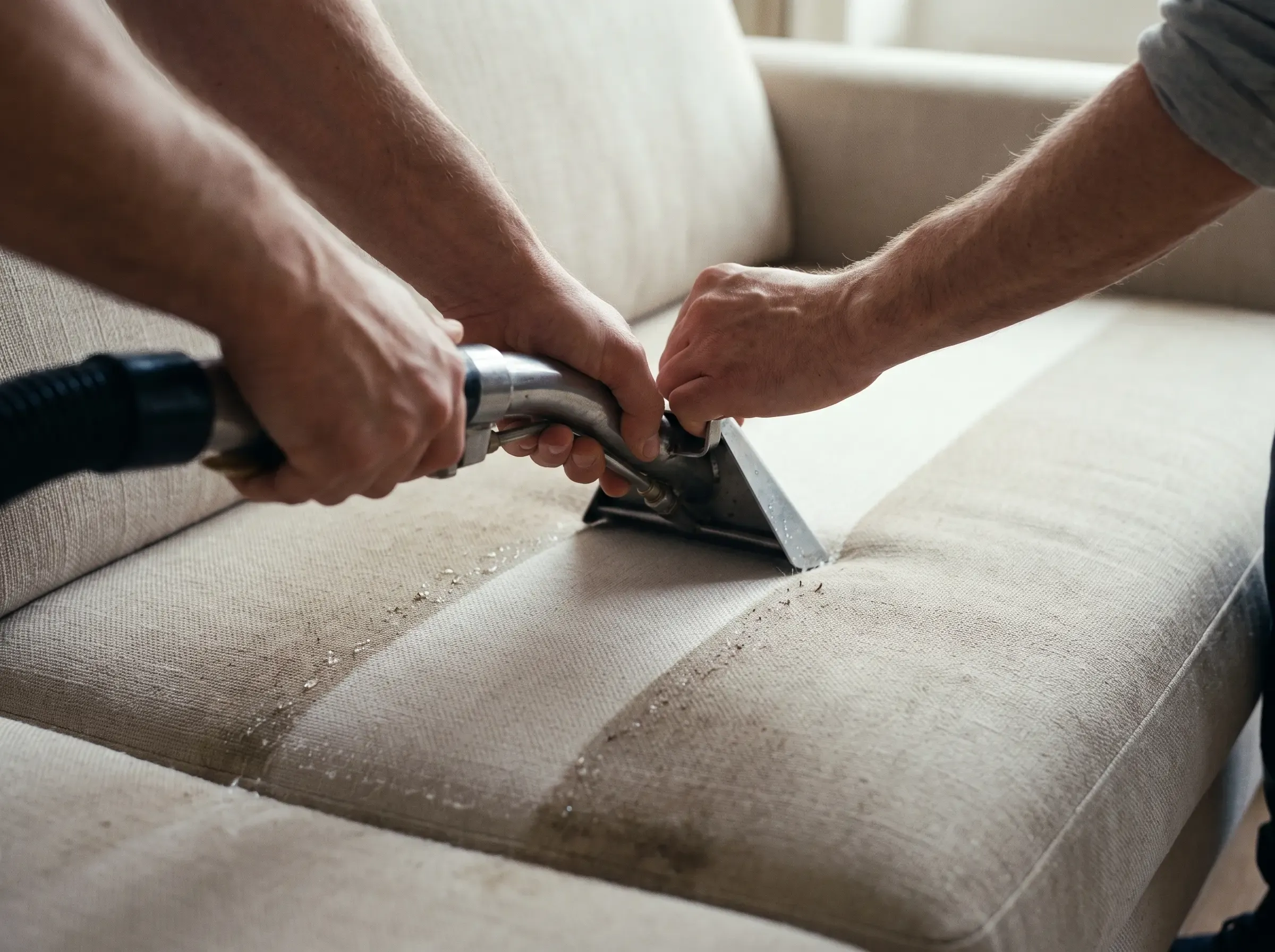
Hot water extraction, sometimes called steam cleaning. Cleaning solution is injected into the fabric and immediately vacuumed back out with the dirt. It is the most thorough method and the standard choice for durable, water-safe fabrics.
Dry foam or low-moisture cleaning. A foam is worked into the fabric and vacuumed away with very little water. Used where a fabric cannot take much moisture, and it dries far faster.
Solvent cleaning. For fabrics that cannot take water at all.
Check the label before anyone cleans anything
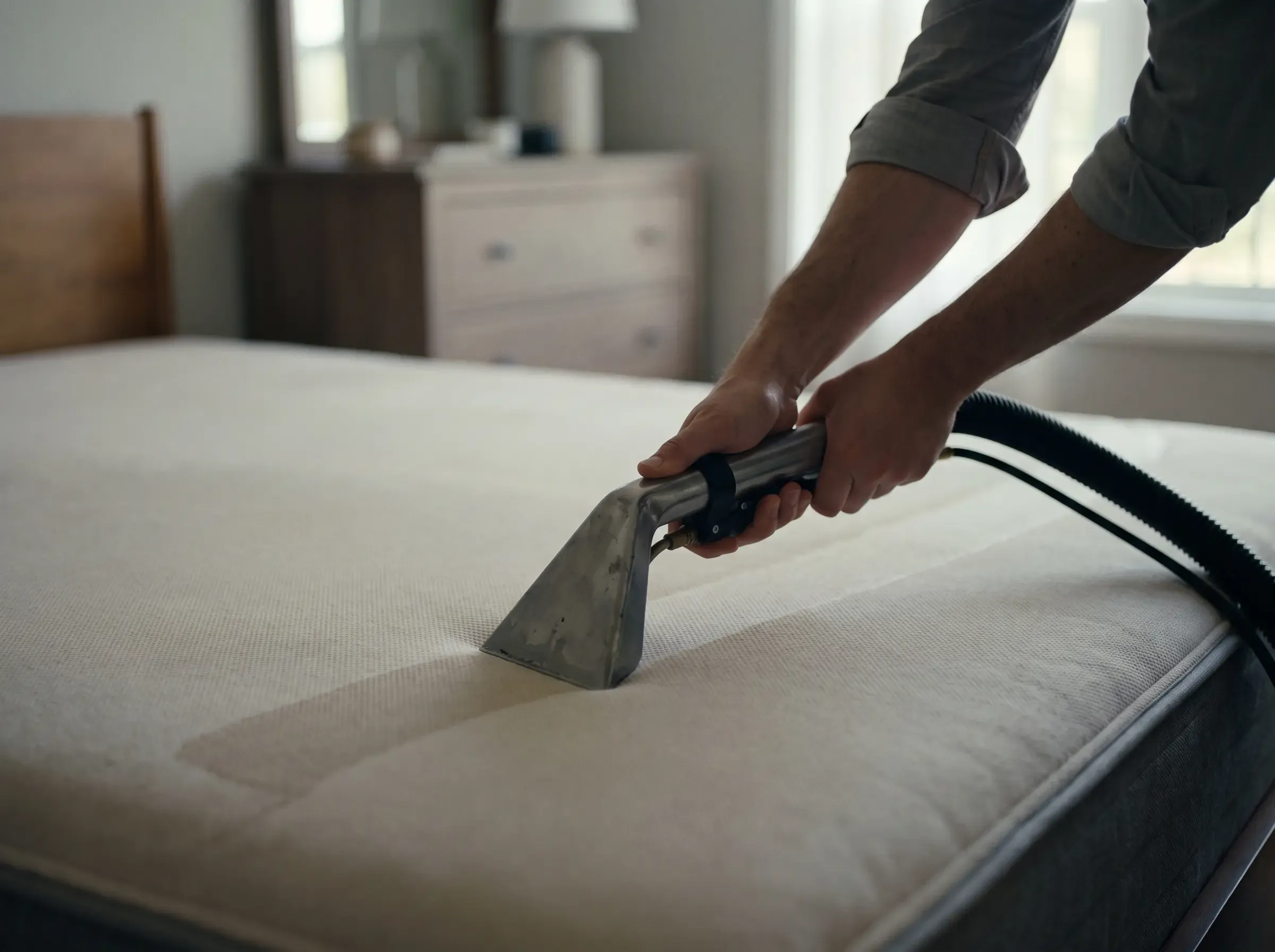
This is the single most useful thing in this article, and almost nobody knows it. Most upholstery carries a small cleaning code on a label, usually under a cushion or beneath the frame.
W — water-based cleaning is safe
S — solvent only, no water
WS — either water-based or solvent is fine
X — vacuum only, no liquid cleaning of any kind
Using water on an S-coded fabric can leave permanent rings and shrinkage. A professional will look for this code before starting, and if nobody checks, that tells you something. If the label is missing, a proper cleaner tests a small hidden area first.
Mattresses
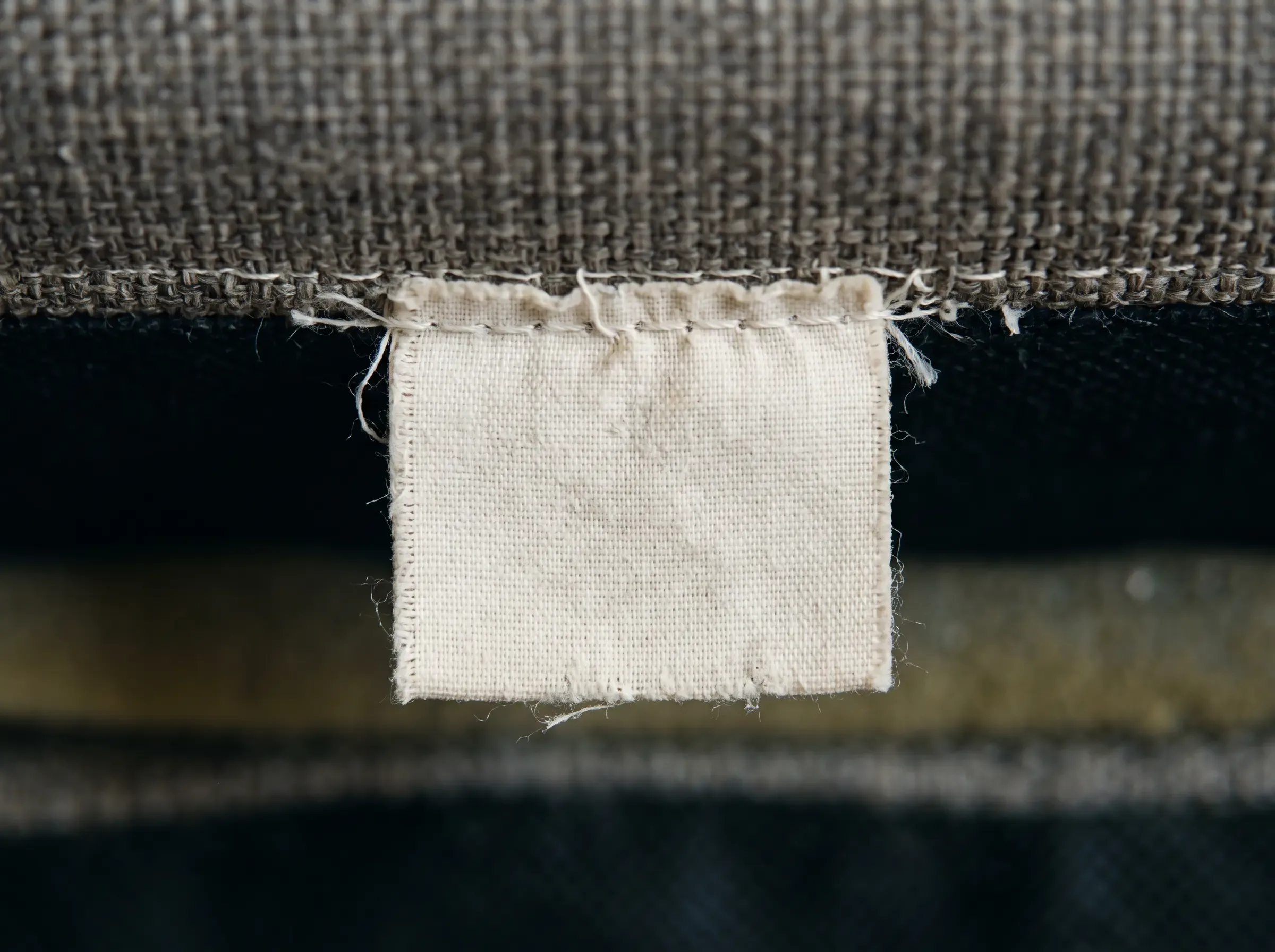
A mattress absorbs moisture and skin cells every night, and it cannot be put in a machine. Professional cleaning uses extraction with minimal moisture, followed by thorough drying, and it is worth doing on a schedule rather than waiting for a stain.
Two things help between cleans. Use a washable mattress protector, and wash it regularly, because it is far easier to clean than what is underneath. And let the bed air for a while before making it in the morning rather than trapping the night's moisture straight under a duvet.
Never soak a mattress. Water that gets deep into the foam or springs is very hard to get back out, and that is exactly how a mattress starts to smell.
Carpets and rugs
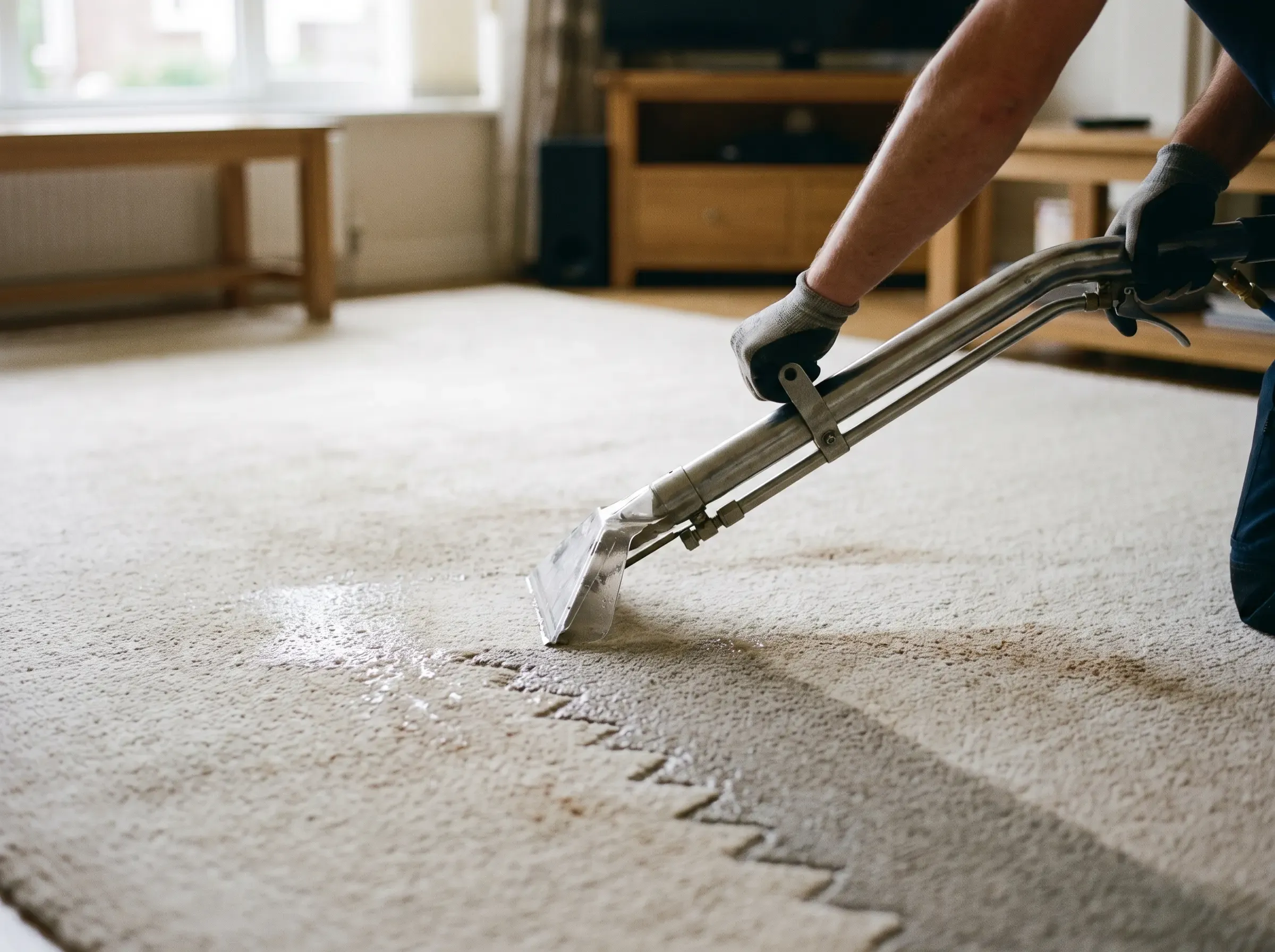
Carpets trap the most of anything in a home because they cover the largest area and get walked on constantly. Regular vacuuming does the daily work, but fibres compact and hold dirt near the base where a vacuum cannot reach.
Wool and silk rugs need particular care and often specialist off-site cleaning, so mention the material when you book. A wool rug cleaned with the wrong chemistry can lose its texture permanently.
Rotating rugs occasionally also helps, since it evens out wear and sun fading rather than letting one section take everything.

Drying is half the job
This is where upholstery cleaning succeeds or fails, and it is the part to ask about specifically.
Anything cleaned with water has to dry fully and reasonably quickly. If it stays damp, you get a musty smell at best. In a humid month, air conditioning is your friend here rather than open windows — a cooled, moving indoor atmosphere dries fabric better than warm humid air from outside.
A good cleaner will tell you roughly how long before you can use the item again, and will use enough extraction passes that it comes back only slightly damp rather than wet. If a sofa is soaking when they leave, too much water went in and not enough came out.
How often
As a general rhythm for a normally used home:
Sofas and upholstered chairs — every six to twelve months, and sooner if you have pets or young children
Mattresses — every six months, alongside washing the protector far more often
Carpets and rugs — every six to twelve months, more in high-traffic areas and entrance zones
Curtains — annually, since they catch a lot of airborne dust
Households with allergies, asthma or pets benefit from the shorter end of each range.
What to ask before you book
Which method will you use on my fabric, and why that one?
Will you check the care label, or test a hidden area if there is no label?
How long will it take to dry, and when can I use it again?
Do you treat stains separately before the main clean?
Is the mattress or rug cleaned in the home, or taken away?
Do you move furniture, and is that included?
The first two questions matter most. A cleaner who reaches for the same machine and the same solution regardless of fabric is the one who leaves marks.
Frequently Asked Questions
How often should a sofa be professionally cleaned?
Every six to twelve months for a normally used sofa, and toward the shorter end if you have pets, young children, or anyone in the house with allergies. Vacuuming weekly between cleans keeps surface dust from working down into the padding.
What do the letters on an upholstery label mean?
They tell you which cleaning method is safe. W means water-based cleaning is fine, S means solvent only with no water, WS means either works, and X means vacuum only with no liquid at all. Using water on an S fabric can leave permanent marks.
Can I clean my own sofa or mattress?
You can vacuum thoroughly and blot spills promptly, and you should. Deep cleaning is different: it needs extraction equipment that removes the moisture it puts in. The usual DIY failure is getting the fabric too wet and having no way to dry it properly.
How long does upholstery take to dry?
It depends on the method and the fabric, but a well-done job comes back only slightly damp rather than soaked. Ask for a time before booking, and keep the air conditioning running rather than opening windows, which brings humid air in.
Why does my sofa smell after being cleaned?
Almost always because it stayed damp. Too much water went in, not enough came out, and the fabric dried slowly. It is a method and extraction problem rather than a product problem, which is why the drying question is worth asking upfront.
How does Taamir help with upholstery cleaning?
Taamir lets you compare verified cleaning professionals in one place. You can confirm upfront which method they will use on your fabric, whether they check the care label, and how long drying will take.
Clean the things you actually use
The kitchen and bathrooms get all the attention, while the sofa you sit on every evening and the mattress you sleep on every night go untouched for years. Put them on a schedule and the whole home feels different. Find and compare verified cleaning professionals on Taamir, check their quality signals, and contact them directly