
Smart Home in a Dubai Apartment: Where to Start
Most people start a smart home with the wrong thing. They buy a speaker, add a few plugs, and end up with a house that needs an app to turn a light on. A smart home is worth having when it removes small daily annoyances quietly, not when it adds a layer of admin to everything.
Four things are worth doing first in a Dubai home: lighting, air conditioning control, a leak sensor, and motorised curtains. Everything else is optional. Here is why those four, what needs wiring and what does not, and what changes if you rent rather than own. When you are ready, you can compare verified smart home professionals on Taamir.
Find a verified smart home professional.
CLICK HERE
The one rule before you buy anything
Never make something harder than the manual version. If a light needs a phone to switch on, the system has failed. Every smart device you add should still work with a normal switch, and should still work when the internet is down.
That single rule rules out most of the impulse purchases people regret, and it is the thing to hold any installer to.
1. Lighting
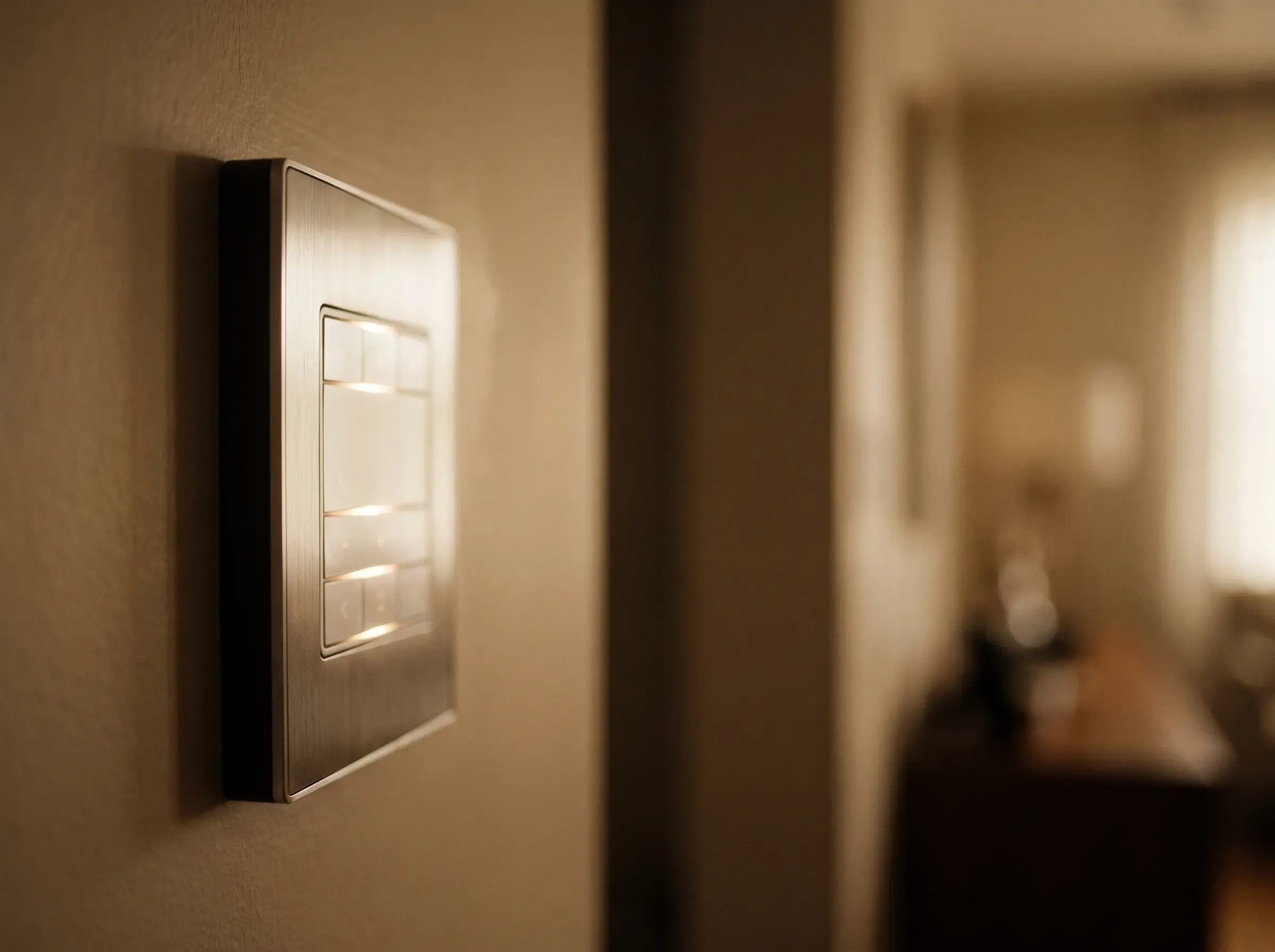
The highest-value place to start, because it is the thing you interact with most. Done properly it gives you scenes rather than switches — one press for evening, one for working, one for everything off when you leave.
There are two routes.
Smart bulbs. No wiring, screw them in, control them individually. Cheap, instant, and ideal for renters. The drawback is that if someone flips the wall switch off, the bulb loses power and stops responding.
Smart switches and drivers behind the wall. Wired in place of the existing switch, so the wall switch keeps working normally and the automation sits behind it. This is the better long-term answer and the one that feels invisible. It is an electrical job, not a DIY one.
If you are renovating or repainting anyway, do the wiring then. Opening walls twice is the expensive mistake.
2. Air conditioning control
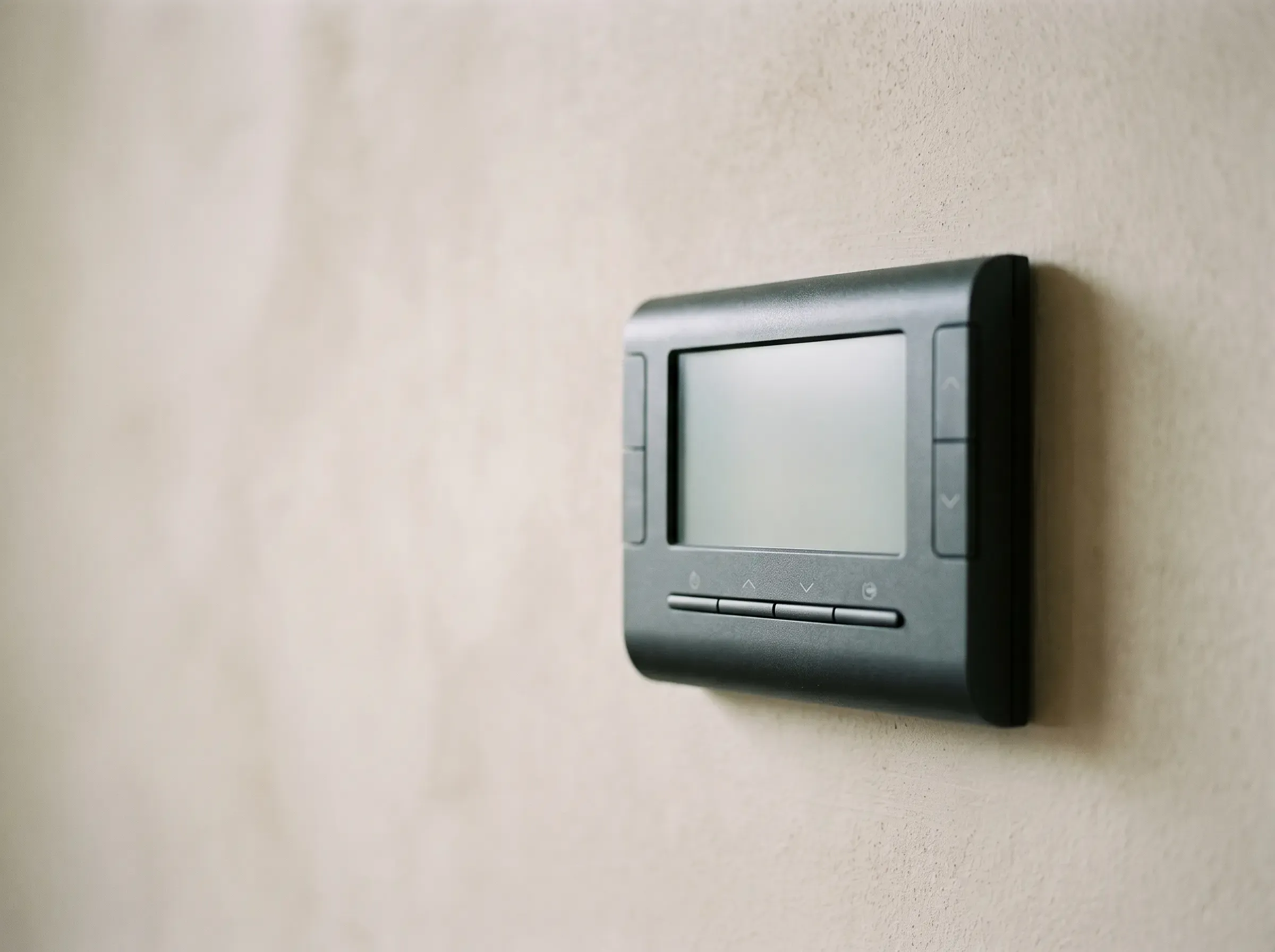
In a home where cooling runs most of the year, this is the automation with the clearest daily payoff. A smart thermostat or AC controller lets you set a schedule rather than remembering, hold a sensible temperature rather than swinging between extremes, and adjust the house before you get home.
It also matters when you travel. Rather than leaving cooling off entirely for weeks, you can hold a higher holding temperature and check it from wherever you are.
What fits depends on your system. A wall-mounted thermostat can usually be swapped directly. Split units without a thermostat are controlled through an infrared bridge that copies the remote. District cooling fan coil units vary, so ask before buying anything.
3. A leak sensor. The cheapest useful thing in this list
A small battery sensor placed under the kitchen sink, behind the washing machine and near the water heater. It does nothing at all until water touches it, then it tells your phone.
This is the least glamorous item here and probably the most valuable. A slow leak found in minutes is a mop. The same leak found after a weekend away is flooring, joinery and possibly your neighbour's ceiling.
No wiring, no installation, works anywhere, and it is the one thing on this list worth doing even if you rent for a year.
4. Motorised curtains
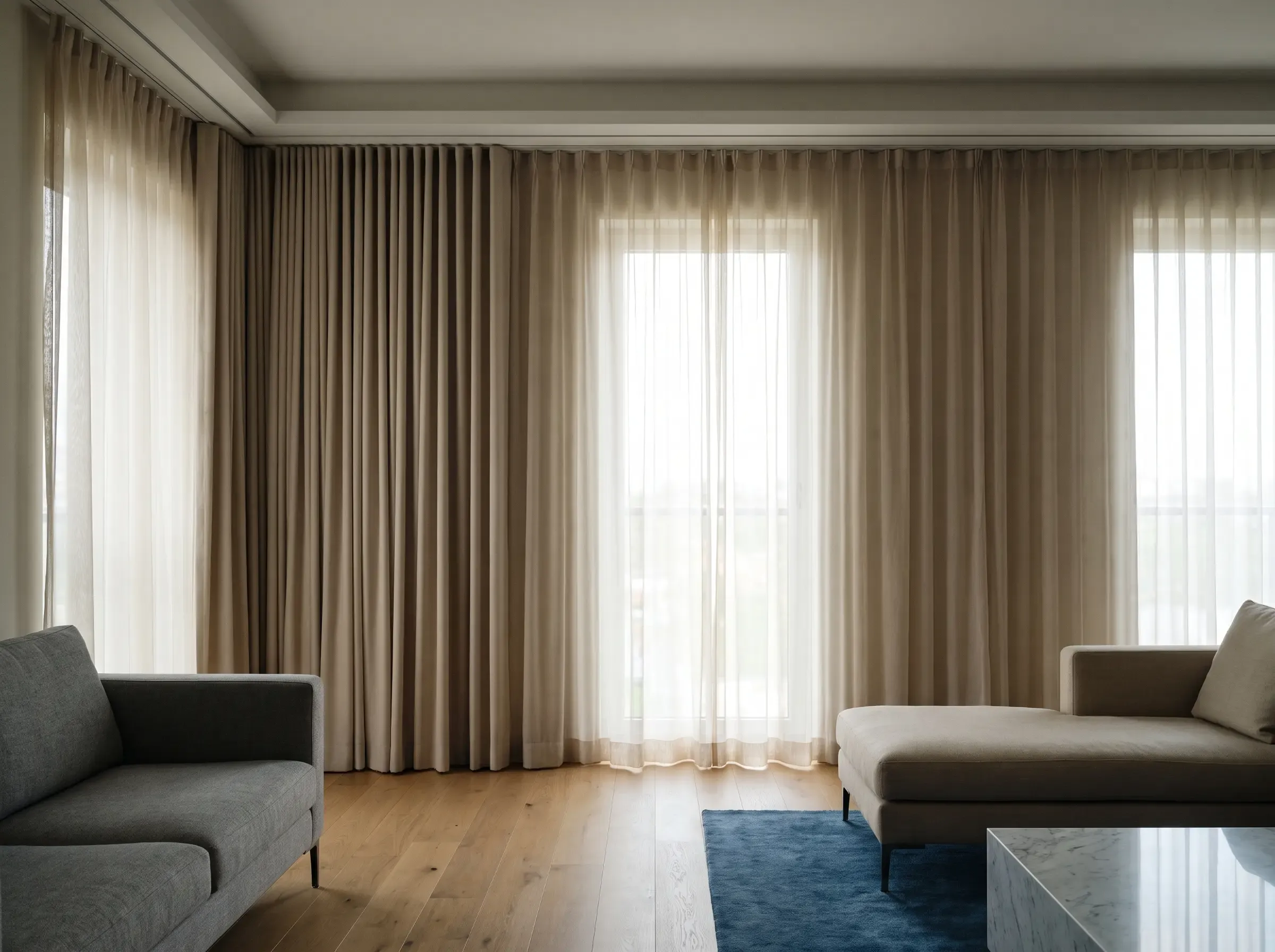
More useful here than they sound. In an apartment with large glazing, closing the curtains on the sunny side during the afternoon meaningfully reduces heat, and it is exactly the sort of thing nobody remembers to do every day.
Automate it on a schedule and the room is cooler when you come home, without touching anything. They also help a bedroom stay dark, which matters given how bright mornings are.
This one usually needs a power point near the track, so it is far easier to plan during a renovation than to retrofit.
What else, and in what order
Once those four are working, the useful additions are:
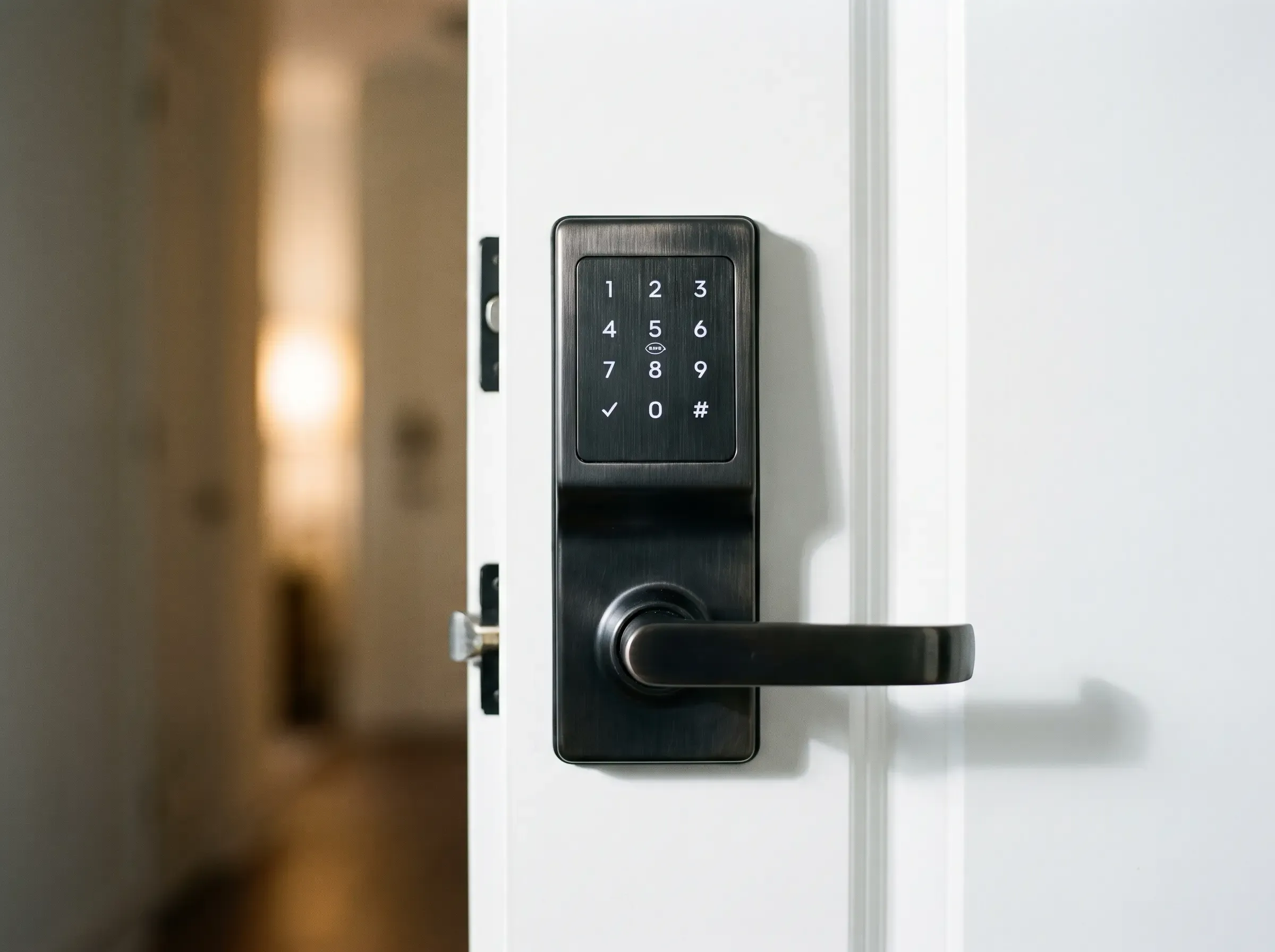
A smart lock, if your door and building allow it. Check with building management first, since many towers have rules about front doors.
Cameras, indoor or at the entrance, which pair well with travel.
Smart plugs for anything you want on a timer, like a water heater.
Sensors for doors and movement, which are what make lighting automations actually feel intelligent.
A speaker or voice assistant, which is genuinely the last thing to add, not the first.
Renting or owning changes everything
If you rent, stay wireless and reversible. Smart bulbs, plug-in devices, leak sensors, an infrared AC bridge, and stick-on sensors all come with you when you leave and need no permission. Avoid anything that means opening a wall.
If you own, wire it. In-wall switches, motorised curtain tracks with proper power, a wired thermostat and hardwired cameras are all better, more reliable and invisible. And do the cabling during a renovation rather than after.
A useful middle path for owners who are not renovating yet: start wireless now, and keep a list of what you would wire in later so the electrician can do it in one visit.
The practical questions people forget
Will it work without internet? Anything controlling something essential should still work locally. Cloud-only lighting that stops responding during an outage is a genuine annoyance.
Does it all live in one app? Mixing four brands means four apps and nothing that talks to each other. Decide on one ecosystem early, even if you add to it slowly.
What happens when the batteries die? Sensors and locks run on batteries, so you want something that warns you rather than simply going quiet.
Who fixes it in two years? This is the one that gets skipped. A system set up by someone you cannot reach again is a system you cannot change.
What to ask before you book an installer
Which parts need wiring, and which can be wireless?
Will everything still work from the wall switch and without internet?
Is it all in one app and one ecosystem?
Is the electrical work included, or a separate trade?
What happens if I want to add to it later?
Will you hand over the accounts and admin access to me?
That last one matters more than people realise. If the system is set up under an installer's account, you do not really control your own home.
Frequently Asked Questions
What should I automate first in a Dubai apartment?
Lighting, air conditioning control, a leak sensor and motorised curtains. Lighting because you use it most, AC because cooling runs most of the year, a leak sensor because it is cheap and prevents real damage, and curtains because closing the sunny side during the day genuinely reduces heat.
Can I have a smart home if I rent?
Yes, as long as you stay wireless and reversible. Smart bulbs, plug-in devices, leak sensors, stick-on sensors and an infrared bridge for the AC all work without touching the walls and come with you when you move.
Do smart devices still work if the internet goes down?
It depends on the device, which is why it is worth asking before buying. Anything controlling something essential should work locally and from the normal wall switch. Cloud-only lighting that stops responding during an outage is a common regret.
Can I control my AC if I do not have a thermostat?
Usually yes, through an infrared bridge that learns your remote and sends the same signals. A wall thermostat can often be swapped for a smart one instead. District cooling fan coil units vary, so confirm what you have before ordering.
Is a smart lock allowed in an apartment building?
Check with your building management first. Many towers have rules about front doors and access systems, and it is far easier to ask before buying than to remove one afterwards.
Start small, and start with the annoying things
The best smart home is the one you stop thinking about. Fix the four things that bother you daily, keep everything working from the wall switch, and add the rest slowly. Find and compare verified professionals on Taamir, check their quality signals, and contact them directly.