How to Remove Water Rings from Wooden Furniture
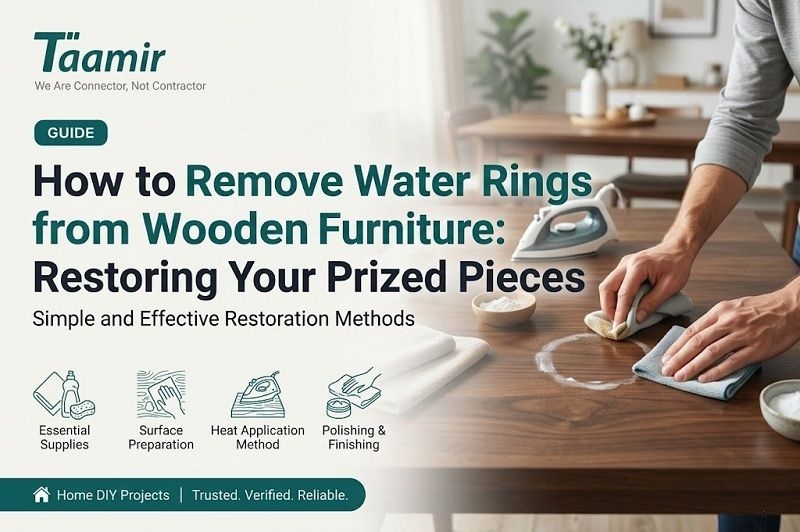
Wooden furniture adds warmth, elegance, and timeless beauty to any home. However, even the highest-quality wood surfaces are vulnerable to water rings caused by hot mugs, cold glasses, flower pots, or accidental spills. These unsightly white or dark marks can make an otherwise beautiful table, cabinet, or dresser look worn and neglected.
Fortunately, learning how to Remove Water Rings from Wooden Furniture doesn't always require expensive restoration services or replacing your furniture. In many cases, the right cleaning techniques and a little patience are enough to restore the original appearance of the wood.
This guide covers everything you need to know about removing water rings safely, preventing future damage, and knowing when it's time to seek professional help.
Why Do Water Rings Appear on Wooden Furniture?
Understanding the cause of water rings helps you choose the most effective removal method.
There are generally two types of water marks:
White Water Rings
White rings usually occur when moisture becomes trapped inside the finish but hasn't penetrated the wood itself. These are the easiest stains to remove.
Common causes include:
Hot coffee mugs
Cold beverage glasses
Steam from cups
Wet plates
Condensation
Dark Water Rings
Dark stains indicate that water has soaked through the finish and reached the wood fibers. These stains are more difficult to remove and may require sanding or refinishing.
Identify the Type of Wood Finish
Before attempting any repair, determine what type of finish protects your furniture.
Common finishes include:
Polyurethane
Lacquer
Shellac
Wax
Oil finish
Varnish
Different finishes react differently to heat, moisture, and cleaning products. Testing any method on an inconspicuous area first is always recommended.
Supplies You'll Need
Most water ring removal methods require only basic household items.
Helpful supplies include:
Soft microfiber cloths
Hair dryer
White toothpaste (non-gel)
Baking soda
Olive oil
White vinegar
Furniture polish
Fine steel wool (0000 grade)
Mineral oil
Wood wax
Always use clean, soft cloths to avoid scratching the finish.
Method 1: Use a Hair Dryer
A hair dryer is one of the safest ways to remove fresh white water rings.
Steps:
Set the dryer to low or medium heat.
Hold it about 10–15 cm away from the stain.
Move continuously in circular motions.
Wipe the surface with a microfiber cloth.
Apply furniture polish afterward.
The gentle heat helps evaporate trapped moisture beneath the finish.
Method 2: Toothpaste Technique
Plain white toothpaste can remove many light water rings.
Instructions:
Apply a small amount to a soft cloth.
Rub gently along the wood grain.
Avoid excessive pressure.
Wipe away residue with a damp cloth.
Buff the surface dry.
Avoid whitening or gel toothpastes, as they may damage delicate finishes.
Method 3: Baking Soda Paste
For slightly more stubborn stains, baking soda can help.
Mix:
One tablespoon baking soda
A few drops of water
Create a smooth paste and gently polish the affected area before wiping clean.
Method 4: Vinegar and Olive Oil
A traditional furniture-care solution combines equal parts:
White vinegar
Olive oil
The vinegar cleans the surface while the oil restores shine.
Apply using a microfiber cloth and buff until the finish regains its luster.
Method 5: Steam Removal with an Iron
This method should only be used carefully on white moisture rings.
Place a clean cotton cloth over the stain.
Using the lowest heat setting without steam, move the iron gently across the cloth for only a few seconds at a time.
Check progress frequently.
Excessive heat can permanently damage the finish.
Method 6: Fine Steel Wool
Only use ultra-fine (0000) steel wool on durable finishes.
Apply furniture oil first, then lightly polish following the wood grain.
Never scrub aggressively.
Removing Dark Water Stains
Dark stains require more extensive treatment because the moisture has penetrated the wood.
Possible solutions include:
Light sanding
Wood bleach
Stain touch-up
Refinishing
Professional restoration
Deep stains often require experience to repair properly without creating uneven coloration.
Mistakes to Avoid
Many DIY attempts accidentally worsen the damage.
Avoid these common mistakes:
Using excessive heat.
Applying too much water.
Scrubbing aggressively.
Mixing multiple chemicals.
Using abrasive cleaners.
Skipping a spot test.
Ignoring the furniture's finish type.
Patience is often more effective than aggressive cleaning.
How to Prevent Water Rings
Prevention is always easier than restoration.
Protect wooden furniture by:
Using coasters under drinks.
Placing mats beneath flower pots.
Cleaning spills immediately.
Avoiding prolonged moisture exposure.
Applying furniture wax regularly.
Maintaining indoor humidity levels.
Simple habits can dramatically extend the beauty of wooden furniture.
Caring for Antique Wood Furniture
Older furniture often features delicate finishes that require extra care.
Avoid harsh chemicals and abrasive products.
Instead:
Dust regularly.
Use specialty wood cleaners.
Polish occasionally with appropriate wax.
Keep furniture away from direct sunlight.
Maintain stable humidity indoors.
Antique pieces benefit from gentle maintenance rather than aggressive cleaning.
When Professional Restoration Is Necessary
Some damage extends beyond simple surface stains.
Professional restoration is recommended when:
Water stains are black or very deep.
The finish has peeled.
Wood has warped.
Mold is present.
Antique furniture requires preservation.
DIY methods have failed.
In these situations, specialists offering Wood Repairs & Polish in dubai can restore the furniture while preserving its original finish and structural integrity.
Frequently Asked Questions
Can all water rings be removed?
Most white water rings can be removed using simple DIY methods. Dark stains are more difficult because they penetrate the wood itself.
Does mayonnaise really remove water rings?
Some homeowners have success using mayonnaise because its oils help displace trapped moisture, although results vary depending on the finish.
Is toothpaste safe for all wood finishes?
Plain white toothpaste is generally safe for many finished wood surfaces, but always test it on a hidden area first.
Can I use a hair dryer on antique furniture?
It's generally not recommended unless you're certain of the finish. Delicate antiques may require professional care.
How can I keep wooden furniture looking new?
Regular dusting, immediate spill cleanup, furniture polish, protective coasters, and avoiding excessive humidity all help preserve wood furniture.
Conclusion
Learning how to Remove Water Rings from Wooden Furniture can save you from costly repairs while preserving the beauty of your favorite tables, cabinets, and wooden décor. Most white water stains respond well to simple household remedies, while deeper stains may require refinishing or professional restoration.
By acting quickly, choosing the appropriate cleaning method, and protecting wood surfaces from future moisture exposure, you can keep your wooden furniture looking elegant, polished, and well-maintained for many years to come.