How to Remove Tough Fabric Stains Without Damaging Your Sofa
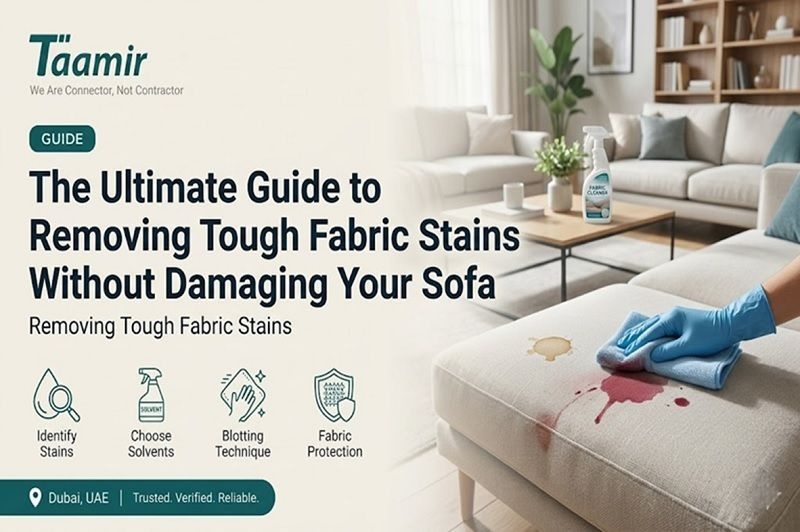
Your sofa is one of the most frequently used pieces of furniture in your home, making it especially vulnerable to spills, stains, dust, and everyday wear. Whether it's coffee, wine, food, ink, or pet accidents, stains can quickly ruin the appearance of even the most beautiful upholstery. Fortunately, Remove Tough Fabric Stains doesn't always require replacing your furniture or using harsh chemicals.
With the right cleaning techniques, proper products, and timely action, you can restore your sofa while preserving the fabric's texture, color, and durability. This comprehensive guide explains how to tackle common stains safely, avoid common cleaning mistakes, and keep your upholstered furniture looking fresh for years.
Why Immediate Stain Removal Matters
The sooner you treat a stain, the greater your chances of removing it completely. Fresh stains remain on the fabric surface, while older stains penetrate deeper into the fibers, making them much harder to eliminate.
Prompt cleaning also helps:
Prevent permanent discoloration
Reduce odor buildup
Stop bacteria and mold growth
Protect delicate upholstery fibers
Extend the lifespan of your furniture
Even waiting a few hours can make certain stains significantly more difficult to remove.
Identify Your Sofa Fabric Before Cleaning
Before applying any cleaning solution, identify your sofa's upholstery material.
Common fabric types include:
Cotton
Linen
Polyester
Microfiber
Velvet
Chenille
Synthetic blends
Most sofas include a manufacturer's cleaning code beneath the cushions.
Common cleaning codes are:
W – Water-based cleaners only
S – Solvent-based cleaners only
WS – Both water and solvent cleaners are safe
X – Vacuum only; professional cleaning recommended
Following these codes helps prevent accidental damage.
Essential Cleaning Supplies
Keeping a few basic supplies at home allows you to respond quickly to spills.
Recommended items include:
White microfiber cloths
Soft-bristle brush
Spray bottle
Mild dish soap
White vinegar
Baking soda
Rubbing alcohol
Upholstery cleaner
Vacuum cleaner
Clean towels
Avoid colored cloths, as their dyes may transfer onto lighter fabrics.
General Rules for Removing Tough Fabric Stains
Before treating any stain, follow these important guidelines.
Blot instead of rubbing.
Work from the outside toward the center.
Test every cleaning product on a hidden area first.
Avoid soaking the fabric.
Allow the upholstery to dry completely.
These simple precautions greatly reduce the risk of damaging your sofa.
How to Remove Coffee Stains
Coffee is one of the most common upholstery stains.
Start by blotting excess liquid immediately using a clean cloth.
Mix a small amount of mild dish soap with warm water and gently dab the stained area. If the stain remains, apply a diluted vinegar solution before blotting again with clean water.
Allow the fabric to air dry completely.
Removing Red Wine Stains
Wine stains should be treated as quickly as possible.
Blot excess wine without rubbing.
Sprinkle baking soda over the damp stain to absorb moisture before vacuuming it away.
A mixture of dish soap and hydrogen peroxide may help remove stubborn discoloration on suitable fabrics.
Always test before use.
Cleaning Food and Grease Stains
Greasy stains require a different approach.
Sprinkle baking soda or cornstarch over the stain to absorb excess oil.
Leave it for at least 20 minutes before vacuuming.
Then apply a small amount of upholstery cleaner or mild soap solution to remove any remaining residue.
Removing Ink Stains
Ink can spread easily if handled incorrectly.
Lightly dampen a cotton swab with rubbing alcohol and gently dab the stain.
Avoid scrubbing, as this forces the ink deeper into the fibers.
Repeat until the stain begins to lift.
Eliminating Pet Stains and Odors
Pet accidents require both stain removal and odor elimination.
Blot excess moisture immediately.
Apply an enzyme-based cleaner specifically designed for pet stains to break down odor-causing bacteria.
Avoid ammonia-based products, as they may encourage pets to return to the same spot.
How to Remove Chocolate Stains
Allow chocolate to harden before gently scraping away the excess.
Use mild soapy water to clean the remaining stain, blotting carefully until the residue disappears.
Removing Makeup Stains
Foundation, lipstick, and mascara can leave oily marks on upholstery.
Use a small amount of rubbing alcohol or upholstery cleaner on a microfiber cloth and gently blot the stain.
Repeat as needed without oversaturating the fabric.
Dealing with Water Stains
Ironically, water itself can leave marks on some upholstery.
To prevent water rings, lightly dampen the surrounding fabric before allowing the entire area to dry evenly.
Using distilled water often produces better results than tap water.
Natural Cleaning Solutions
Many household ingredients work surprisingly well on upholstery.
Popular natural cleaners include:
White vinegar
Baking soda
Lemon juice (for suitable fabrics)
Mild dish soap
Warm water
These ingredients provide gentle cleaning while minimizing exposure to harsh chemicals.
Common Cleaning Mistakes to Avoid
Many homeowners accidentally make stains worse.
Avoid these common mistakes:
Scrubbing aggressively.
Using bleach on fabric upholstery.
Applying excessive water.
Mixing multiple cleaning chemicals.
Skipping the spot test.
Using colored towels.
Ignoring manufacturer cleaning instructions.
Proper cleaning techniques protect both the stain and the surrounding fabric.
How to Keep Your Sofa Cleaner for Longer
Preventive care significantly reduces deep cleaning requirements.
Simple habits include:
Vacuum weekly.
Rotate cushions regularly.
Clean spills immediately.
Keep food and drinks away when possible.
Use washable throws or protective covers.
Avoid direct sunlight to reduce fading.
Routine maintenance extends the life of your furniture.
When Professional Cleaning Is the Best Option
Some stains simply cannot be removed safely using DIY methods.
Professional cleaning is recommended for:
Antique furniture
Delicate fabrics
Large stains
Water damage
Persistent odors
Mold contamination
Experienced technicians use specialized equipment and fabric-safe cleaning solutions that achieve deeper results while minimizing the risk of damage.
If your upholstery requires deep cleaning or restoration, working with specialists in furniture cleaning in dubai can help preserve both the appearance and longevity of your furniture.
Frequently Asked Questions
Can all sofa stains be removed?
Not always. Fresh stains are usually much easier to remove than older ones, but some substances may permanently discolor certain fabrics.
Is steam cleaning safe for every sofa?
No. Steam cleaning is unsuitable for some delicate fabrics, including certain natural fibers and velvet. Always check the manufacturer's recommendations first.
How often should upholstered furniture be professionally cleaned?
Most experts recommend professional upholstery cleaning every 12 to 18 months, depending on household usage, pets, and children.
Can baking soda damage upholstery?
When used correctly, baking soda is generally safe for most fabrics and is highly effective at absorbing odors and light stains.
Should I use bleach on fabric sofas?
No. Bleach can permanently damage upholstery fibers, remove color, and weaken the fabric.
Conclusion
Removing Tough Fabric Stains is much easier when spills are treated quickly using the proper cleaning methods. Understanding your sofa's fabric type, using gentle cleaning solutions, and avoiding common mistakes can significantly improve your chances of restoring upholstery without causing damage.
Regular maintenance, prompt stain removal, and occasional professional cleaning will help keep your sofa looking clean, fresh, and comfortable for many years. With the right approach, even stubborn stains can often be removed while preserving the beauty and durability of your furniture.