How to Remove Mold From Walls in Dubai
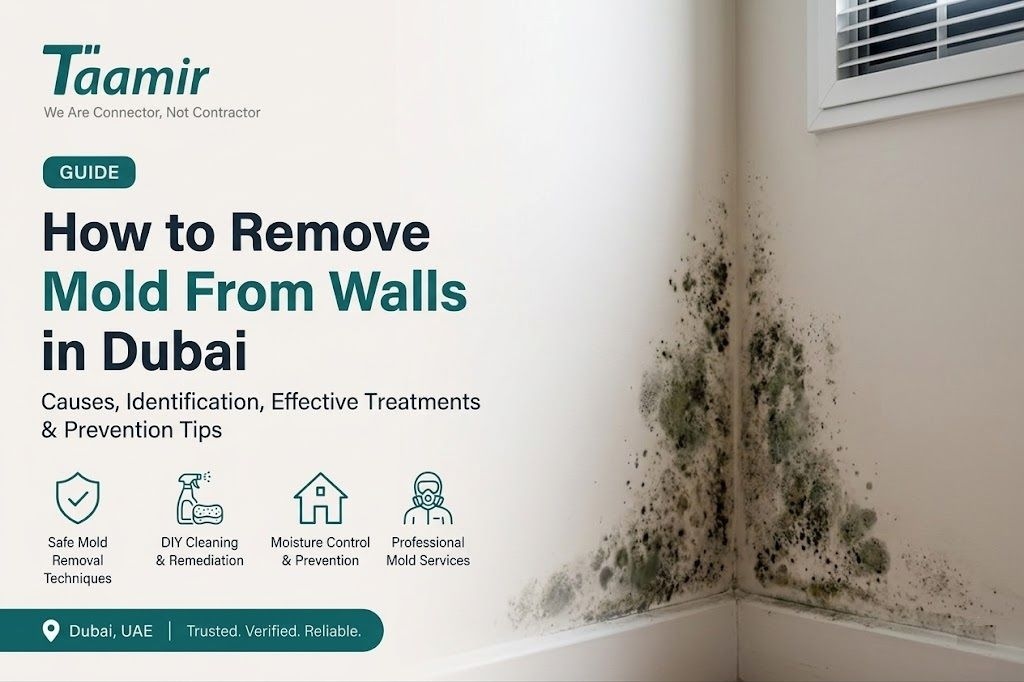
Mold on walls is a common issue in many Dubai homes and apartments, especially in areas exposed to humidity, air conditioning condensation, or poor ventilation. Besides affecting the appearance of your walls, mold can damage paint, reduce indoor air quality, and potentially cause health concerns if left untreated. Whether you notice small dark spots in a bathroom or damp patches near windows and ceilings, understanding how to remove mold from walls properly is essential for maintaining a healthy living environment in Dubai.
In most cases, mold develops because of excess moisture, condensation from cooling systems, water leaks, or inadequate airflow. The good news is that small mold outbreaks can often be cleaned safely using the right methods. However, larger infestations may require professional mold removal services in dubai.
According to cleaning professionals, controlling moisture and ensuring surfaces are completely dry are the most effective ways to prevent mold from returning.
What Causes Mold on Walls in Dubai?
Before removing mold, it's important to understand why it develops. Mold thrives in damp environments and spreads through microscopic airborne spores.
Common causes of mold growth in Dubai include:
• Poor ventilation
• Water leaks from plumbing systems
• High indoor humidity levels
• Condensation caused by air conditioning units
• Damp storage rooms or utility spaces
• Steam from bathrooms and kitchens
• Wet drywall or plaster
• Poorly insulated walls and windows
If you only clean visible mold without addressing the underlying moisture source, the problem will likely return within a short period.
Signs You Have Mold on Walls
You may have mold growing on your walls if you notice:
• Black, green, or white spots
• Musty or damp odors
• Peeling paint or wallpaper
• Moisture stains or damp patches
• Allergy symptoms such as sneezing or coughing
• Discoloration around windows, ceilings, or AC vents
Black mold is particularly common in bathrooms, laundry areas, and rooms with limited ventilation.
Tools and Supplies You'll Need
Before you begin, gather the following cleaning materials:
• Rubber gloves
• Protective goggles
• Face mask or respirator
• Spray bottle
• Microfiber cloths
• Soft scrub brush
• White vinegar
• Baking soda
• Hydrogen peroxide
• Mild detergent
• Dehumidifier or fan
Experts recommend wearing protective equipment because mold spores can irritate the skin, eyes, and respiratory system.
How to Get Rid of Mold on Walls
Removing mold from walls safely involves preparation, cleaning, and complete drying. Follow these steps carefully.
Step 1: Ventilate the Area
Open windows and doors whenever possible before cleaning. Use fans to improve airflow and help reduce airborne mold spores.
Avoid steam cleaning, as additional moisture can make mold problems worse.
Step 2: Protect Nearby Furniture
Cover carpets, furniture, and nearby belongings with plastic sheets or old towels. This helps prevent mold spores from spreading during the cleaning process.
Step 3: Apply a Cleaning Solution
Several cleaning solutions can effectively remove mold from walls.
White Vinegar
White vinegar is one of the most effective natural mold removers. Spray undiluted vinegar directly onto the affected area and allow it to sit for approximately one hour before scrubbing.
Hydrogen Peroxide
Hydrogen peroxide works well on stubborn mold stains and helps eliminate mold spores. Spray it directly onto the wall and leave it for 10 to 15 minutes.
Baking Soda
Mix baking soda with water to create a gentle cleaning solution. It helps remove odors while cleaning surface mold.
Commercial Mold Removers
Commercial mold removal products can be effective for larger or more persistent mold problems. Always test a small area first to ensure the product does not damage paint or wallpaper.
Step 4: Scrub the Mold
Use a soft brush or sponge to gently scrub the affected area. Avoid saturating drywall with excessive water, as this can damage the wall and encourage further mold growth.
Step 5: Wipe and Dry Completely
After cleaning, wipe the wall with a clean cloth and thoroughly dry the area using fans, air conditioning, or a dehumidifier.
Complete drying is critical because mold can quickly return in humid conditions.
Step 6: Repaint if Necessary
Once the wall is fully dry, consider repainting with a mold-resistant primer or anti-mold paint for added protection, especially in moisture-prone areas.
How to Get Rid of Black Mould
Black mould is one of the most concerning types of household mold because it can spread rapidly and negatively impact indoor air quality.
Is Black Mould Dangerous?
Certain types of black mold may contribute to:
• Sneezing
• Coughing
• Headaches
• Skin irritation
• Breathing difficulties
Individuals with asthma, allergies, or respiratory sensitivities may experience stronger reactions.
Best Way to Remove Black Mould
For small patches of black mould:
Wear gloves and a protective mask.
Spray white vinegar or hydrogen peroxide on the affected area.
Allow it to sit for approximately 15 minutes.
Scrub gently with a soft brush.
Dry the area completely.
Never paint directly over black mould, as it will continue growing beneath the paint layer.
When to Call a Professional Mold Removal Service in Dubai
You should contact a professional mold remediation company if:
• Mold covers a large area
• Mold repeatedly returns after cleaning
• Drywall feels soft, damaged, or deteriorated
• Strong musty odors persist
• Mold appears inside walls, ceilings, or hidden spaces
Large infestations often indicate hidden moisture issues that cannot be resolved through DIY cleaning alone.
How to Prevent Mold from Returning
1. Reduce Indoor Humidity: Maintain indoor humidity below 50% using proper ventilation, dehumidifiers, and well-maintained air conditioning systems.
2. Improve Airflow: Use exhaust fans in kitchens and bathrooms, and ensure air can circulate freely throughout your home.
3. Fix Water Leaks Promptly: Even minor leaks behind walls can create ideal conditions for mold growth over time.
4. Keep Walls Dry: After showering, cooking, or cleaning, wipe away condensation from walls, mirrors, and windows.
5. Use Mold-Resistant Paint: Anti-mold primers and paints provide additional protection in bathrooms, kitchens, laundry rooms, and other moisture-prone spaces.
Final Thoughts
Learning how to remove mold from walls correctly can improve both the appearance of your property and the quality of your indoor environment. Small mold problems are often manageable using vinegar, hydrogen peroxide, and proper drying techniques. However, persistent or widespread mold growth frequently indicates a deeper moisture issue that requires professional attention.
In Dubai's climate, preventing moisture buildup is just as important as removing mold itself. By maintaining good ventilation, controlling humidity, addressing leaks quickly, and cleaning regularly, you can keep your walls mold-free and your home healthier for years to come.