How to Fix a Loose Interior Door Handle in 5 Minutes
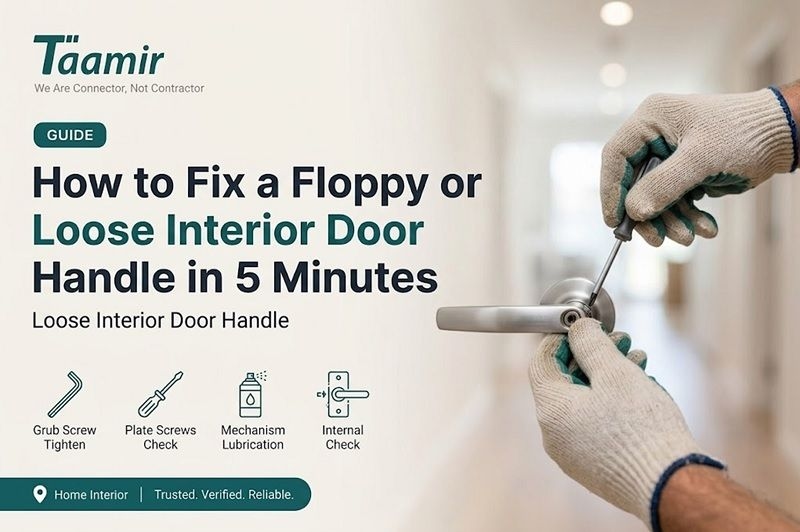
A loose or floppy interior door handle is one of the most common household hardware issues, and it usually starts so subtly that most people ignore it. At first, it feels like a slight wobble, but over time it becomes harder to use and may even affect the door’s locking mechanism. The good news is that in most cases, you can fix a Loose Interior Door Handle in just a few minutes using basic tools and a simple step-by-step method—no professional required.
This expanded guide not only shows you how to fix the problem quickly but also explains why it happens, how to prevent it, and what to do when the issue is more serious.
Why Interior Door Handles Become Loose Over Time
Door handles go through constant daily stress, which gradually weakens their internal structure.
The most common reasons include:
Repeated pushing and pulling throughout the day
Screws gradually loosening due to vibration
Wear and tear inside the spindle mechanism
Low-quality hardware installation
Door alignment issues putting extra pressure on the handle
Lack of periodic maintenance
In many homes, especially high-traffic areas like bathrooms and bedrooms, this issue appears sooner than expected. If ignored, a loose handle can eventually lead to full mechanical failure.
Signs That Your Door Handle Needs Immediate Repair
Before the handle completely fails, it usually shows warning signs:
Handle moves side to side or up and down
Clicking or grinding noise while turning
Difficulty in opening or closing the door smoothly
Loose base plate or visible gaps
Handle feels unstable under light pressure
Addressing these early signs can save you from more expensive repairs later.
Tools You Need for Quick Repair
One of the best things about this repair is that it requires minimal tools:
Phillips or flathead screwdriver
Allen key (depending on handle type)
Small flashlight
Clean cloth
Lubricant spray (optional but helpful)
Most homeowners already have these tools at home, making this a very accessible DIY fix.
Step-by-Step Guide to Fix a Loose Interior Door Handle
.
Step 1: Inspect the handle thoroughly
Check whether the looseness comes from visible screws, the base plate, or internal movement.
Step 2: Tighten all visible screws
Use a screwdriver to tighten screws on both sides of the handle. Do not force them—tighten gently but firmly.
Step 3: Check hidden screws under cover plates
Some modern handles hide screws under a decorative cover. Remove it carefully and tighten internal screws.
Step 4: Test handle stability
Move the handle multiple times to ensure the wobble is gone and the mechanism feels solid.
Step 5: Apply lubrication if necessary
If the handle feels stiff after tightening, apply a small amount of lubricant to improve movement.
This simple process solves most cases of a Loose Interior Door Handle within minutes.
Advanced Fix: When Screws Alone Are Not Enough
Sometimes tightening screws does not fully solve the issue. In that case, the problem may be deeper:
Worn-out spindle inside the handle
Damaged latch mechanism
Misaligned door frame causing pressure
Stripped screw holes in the wood
What you can do:
Replace the spindle if it is damaged
Use wooden fillers for stripped screw holes
Realign the door hinges if needed
Replace the entire handle set if wear is severe
If these problems continue, professional help becomes necessary.
Common Mistakes People Make During Repair
Many DIY repairs fail due to simple mistakes:
Over-tightening screws and damaging threads
Ignoring internal hidden screws
Using incorrect screwdriver size
Skipping inspection of both sides of the handle
Applying too much lubricant
Not checking door alignment
Avoiding these mistakes ensures a long-lasting fix.
Preventing Door Handles from Becoming Loose Again
Prevention is always better than repair. You can extend the lifespan of your door hardware by following simple habits:
Tighten screws every 3–6 months
Avoid slamming doors
Use high-quality handles and locks
Keep hinges properly lubricated and aligned
Avoid hanging heavy items on door handles
Perform routine home maintenance checks
These small actions significantly reduce repeated issues.
When You Should Call a Professional
While most loose handles are easy to fix, some situations require expert attention:
Handle keeps loosening repeatedly
Internal locking system is broken
Door frame is damaged or misaligned
Screws no longer hold in wood
Complete handle failure
In such cases, services like door lock installation dubai may be required to ensure proper repair, safety, and long-term durability.
Benefits of Fixing a Loose Door Handle Early
Repairing the issue early provides multiple benefits:
Prevents full handle breakdown
Improves door security and stability
Saves money on replacements
Maintains smooth daily usage
Reduces long-term structural damage
Small repairs done on time prevent bigger problems later.
FAQ
How long does it take to fix a loose door handle?
In most cases, it takes 5 to 10 minutes if the issue is only loose screws.
What is the most common cause of a loose door handle?
Frequent use and gradually loosening screws are the most common reasons.
Can I fix a loose door handle without replacing it?
Yes, most cases can be fixed by tightening screws or adjusting internal parts.
Why does my door handle keep loosening again?
It may be due to low-quality hardware, stripped screw holes, or door misalignment.
Is it safe to use a loose door handle?
No, because it can worsen over time and eventually stop functioning properly.
Conclusion
Fixing a loose door handle is one of the simplest yet most important home maintenance tasks. With minimal tools and a few minutes of effort, you can easily resolve a Loose Interior Door Handle and restore full stability and functionality. However, long-term performance depends on proper maintenance, careful use, and timely inspection.
By understanding the causes, applying the correct fix, and following preventive steps, you can keep your door hardware secure, durable, and problem-free for years to come.