How to Fix a Hole in the Wall: A Comprehensive Guide
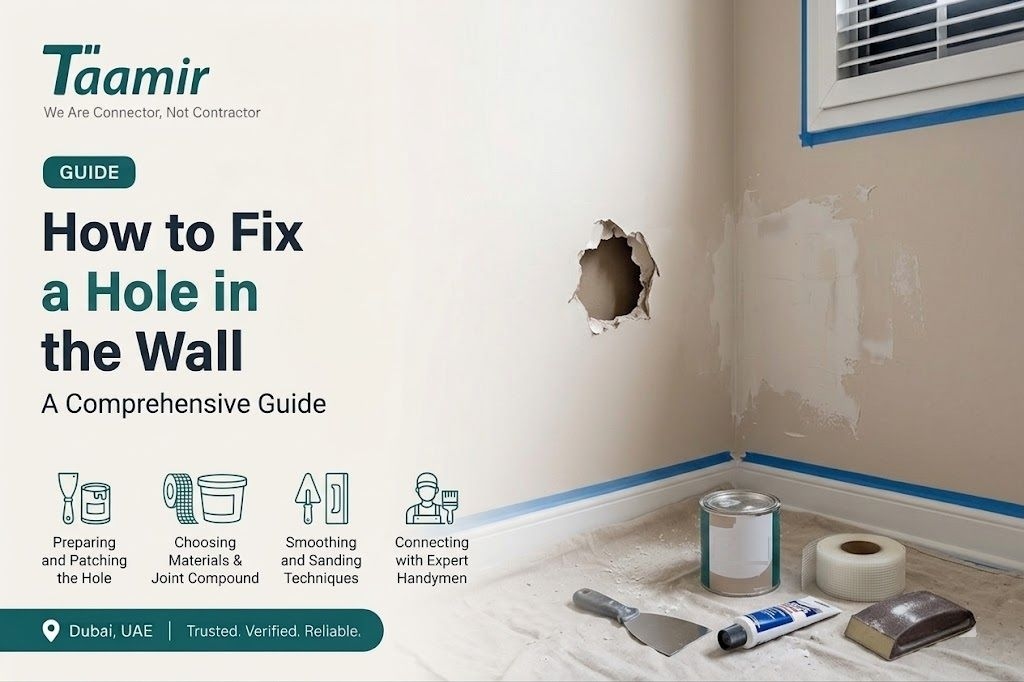
Wall damage is a common issue in Dubai homes, apartments, and villas. Whether it's a small nail hole left behind after removing wall décor, a dent caused by moving furniture, or a larger hole resulting from an accident, damaged walls can make an otherwise well-maintained space look unfinished.
Fortunately, learning how to fix a hole in the wall is easier than many homeowners and tenants expect. With the right tools, materials, and repair techniques, even beginners can restore walls to a smooth, professional-looking finish.
Small holes typically require nothing more than filler and sanding, while larger drywall repairs may need patches and additional support. In this guide, you'll learn exactly how to fix a hole in the wall step by step, including the tools you'll need, repair methods for different types of damage, and common mistakes to avoid.
Common Types of Wall Damage
Before starting any repair, it's important to identify the type of damage you're dealing with.
Common wall damage includes:
• Nail and screw holes
• Small dents and surface cracks
• Medium-sized holes
• Large drywall holes
• Damage around electrical outlets
• Door handle impact damage
Minor holes are usually quick repairs, while larger drywall damage often requires additional patching materials and structural support.
Essential Wall Repair Tools
Having the right tools makes the repair process faster and more effective.
You'll typically need:
• Spackle or joint compound
• Putty knife
• Sandpaper (120–220 grit)
• Drywall patch kit
• Utility knife
• Drywall tape
• Paint and primer
• Sponge or microfiber cloth
• Stud finder (for larger repairs)
Using quality materials can improve the final appearance and reduce the amount of sanding required later.
How to Fix Small Holes in the Wall
Small holes caused by nails, screws, or picture hooks are usually the easiest type of wall damage to repair.
Step 1: Clean the Area
Remove loose paint, dust, and damaged drywall around the hole. A clean surface allows the filler to bond properly.
Step 2: Apply Spackle
Using a putty knife, press spackle or wall filler directly into the hole.
Smooth the surface evenly and remove any excess material.
For the best results, feather the edges slightly so the repair blends naturally into the surrounding wall.
Step 3: Allow It to Dry
Let the filler dry completely according to the manufacturer's instructions.
Drying times may vary depending on the product and the size of the repair.
Step 4: Sand the Surface
Lightly sand the repaired area until it feels smooth and level with the surrounding wall.
Avoid excessive sanding, which can damage nearby paint or drywall paper.
Step 5: Prime and Paint
Apply a coat of primer before painting.
Primer helps paint adhere properly and prevents repaired areas from showing through the final finish.
Although many DIY enthusiasts skip this step, primer often makes repairs look significantly more professional.
How to Fix Medium-Sized Holes
Medium-sized wall holes generally require a patch to provide additional support.
Step 1: Trim the Damaged Area
Use a utility knife to remove loose or damaged drywall around the hole.
Creating clean edges will make the repair easier and improve the final appearance.
Step 2: Apply a Wall Patch
Place a self-adhesive drywall patch directly over the damaged area.
These patches are ideal for holes that are too large for simple filler but not large enough to require drywall replacement.
Step 3: Cover with Joint Compound
Once the patch is installed, cover it with joint compound, often referred to as drywall mud.
Joint compound is used to:
• Cover drywall seams
• Hide patch edges
• Repair cracks and holes
• Create a smooth surface before painting
Using a drywall knife or putty knife, spread a thin layer of compound over the patch and slightly beyond its edges.
Extending the compound beyond the patch helps blend the repair seamlessly into the surrounding wall.
It's important to apply several thin coats rather than one thick layer. Thick applications tend to take longer to dry and may crack as they cure.
Professional drywall repairs typically involve multiple thin coats with light sanding between each layer.
After the first coat dries, lightly sand the surface and apply another thin layer if needed. Repeat the process until the repair is smooth and level.
Step 4: Sand and Repeat if Necessary
Once dry, sand the area smooth.
If patch edges are still visible, apply another thin coat of compound and repeat the sanding process.
Step 5: Prime and Paint
Finish the repair by applying primer followed by matching paint.
How to Fix Large Holes in Drywall
Large holes often require replacing part of the drywall rather than simply filling the damaged area.
Step 1: Cut Out the Damaged Section
Use a drywall saw to cut a clean square or rectangular opening around the damaged section.
Straight edges make patch installation much easier.
Step 2: Install Support Boards
Secure small wooden support boards behind the drywall opening using screws.
These supports provide a stable surface for attaching the replacement drywall.
Step 3: Cut and Install a Drywall Patch
Cut a new piece of drywall to fit the opening exactly.
Secure the patch to the support boards using drywall screws.
Step 4: Tape the Seams
Apply drywall tape around all seams to help prevent future cracking.
Step 5: Apply Joint Compound
Spread joint compound over the taped seams and screw heads using a wide drywall knife.
Allow each layer to dry completely before applying the next coat.
Step 6: Sand Smooth
Once fully dry, sand the repair until it blends seamlessly with the surrounding wall.
Step 7: Prime and Paint
Apply primer and finish with matching paint to restore a professional appearance.
Common Wall Repair Mistakes to Avoid
Many DIY wall repairs fail because of simple mistakes.
Avoid the following:
• Applying filler too thickly
• Skipping sanding between coats
• Painting without primer
• Rushing drying times
• Using the wrong repair method
• Oversanding the wall surface
• Ignoring loose drywall edges
Taking your time during each stage of the repair will significantly improve the final result.
Tips for a Professional-Looking Wall Repair
If you want repairs that are virtually invisible after painting, follow these recommendations:
• Use multiple thin coats of compound
• Sand lightly between coats
• Match the paint sheen carefully
• Keep tools clean throughout the project
• Always use primer before painting
• Feather repair edges for smoother blending
These simple techniques can make a major difference in the final appearance.
Frequently Asked Questions
What is the easiest way to fix a small hole in the wall?
Most small holes can be repaired using spackle, a putty knife, light sanding, and touch-up paint.
Can I repair drywall without a patch kit?
Yes. Small holes generally only require filler. Larger holes may need a drywall patch or a replacement drywall section.
How long does wall repair take?
Minor repairs may take less than an hour, while larger drywall repairs can take a full day because of drying time between coats.
Should I paint over repaired drywall immediately?
No. Always allow filler or joint compound to dry completely before applying primer and paint.
Final Thoughts
Learning how to fix a hole in the wall is one of the most useful DIY maintenance skills for homeowners, tenants, and property managers in Dubai.
Whether you're repairing small nail holes before moving out of an apartment or restoring larger drywall damage in a villa, success comes down to using the correct repair method, allowing sufficient drying time, and sanding carefully between coats.
With patience, quality materials, and proper preparation, you can restore damaged walls and make them look almost brand new again.