How to Clean Walls Without Removing Paint in Dubai: Safe and Effective Cleaning Methods
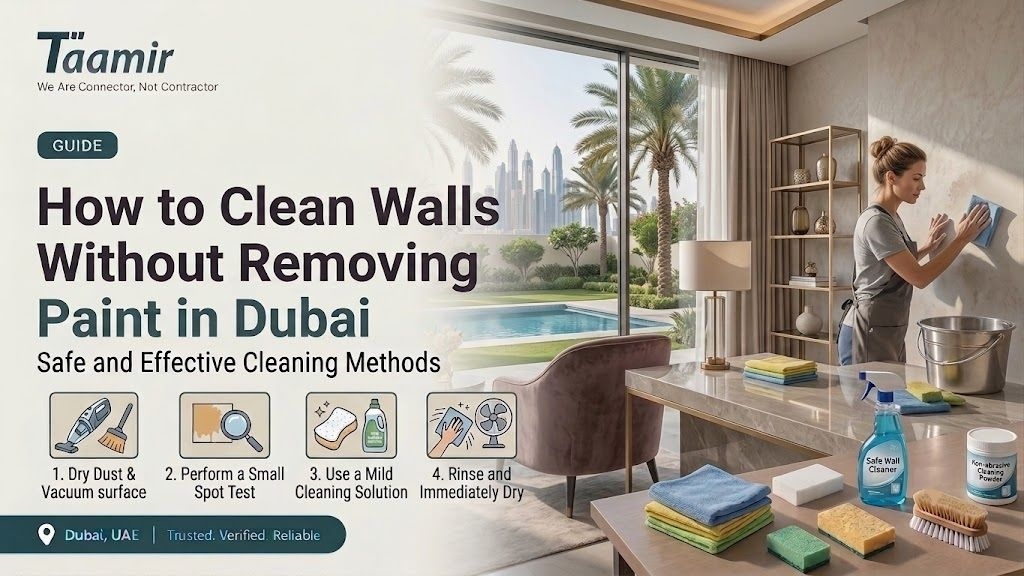
Painted walls play a major role in the overall appearance of a home. Even when floors, furniture, and décor are spotless, dirty walls can make an entire room feel neglected and outdated. In Dubai homes, whether you live in an apartment, villa, or townhouse, painted surfaces are constantly exposed to dust, fingerprints, cooking residue, and everyday wear and tear.
The combination of air conditioning systems, fine desert dust, humidity fluctuations, and busy family lifestyles means walls often require more frequent maintenance than many homeowners realize. Over time, stains and marks can accumulate, causing painted surfaces to lose their fresh and vibrant appearance.
Fortunately, learning how to clean walls without removing paint is much simpler than many people expect. By using gentle cleaning methods, appropriate tools, and safe cleaning solutions, you can effectively remove dirt and stains while preserving the quality and finish of your paint.
This comprehensive guide explains the safest wall-cleaning techniques, the best products to use, common mistakes to avoid, and practical tips specifically suited to homes in Dubai.
Why Regular Wall Cleaning Is Important for Dubai Homes
Many homeowners focus on cleaning floors, countertops, and furniture while overlooking their walls. However, painted walls collect a surprising amount of dirt over time.
Even if stains are not immediately visible, dust and grime gradually build up on painted surfaces and can affect the overall cleanliness of a room.
Common causes of wall stains and buildup include:
Dust and airborne particles
Fingerprints from everyday contact
Cooking grease and food splatters
Pet marks and scratches
Scuff marks from furniture
Smoke residue
Crayon, pencil, and marker marks
Moisture-related discoloration
Regular wall cleaning not only improves your home's appearance but can also help preserve paint quality and reduce the need for premature repainting.
Understanding Different Paint Finishes Before Cleaning Walls
Before cleaning any painted wall, it's essential to identify the type of paint finish you're working with.
Different paint finishes react differently to water, cleaning products, and scrubbing. Using the wrong method can potentially dull the finish or damage the paint surface.
Gloss and Semi-Gloss Paint: The Easiest Walls to Clean
Gloss and semi-gloss finishes are among the most durable wall coatings available.
These finishes are commonly used in kitchens, bathrooms, laundry rooms, and other high-traffic areas because they can withstand moisture and light scrubbing.
Benefits include:
High stain resistance
Easy cleaning
Better moisture protection
Greater durability
Most dirt and stains can be removed with minimal effort from these surfaces.
Satin and Eggshell Paint: Clean with Extra Care
Satin and eggshell finishes are popular choices in Dubai homes because they offer a soft appearance while remaining relatively durable.
However, they require a gentler cleaning approach.
Excessive scrubbing can:
Dull the finish
Leave shiny spots
Create uneven texture
Affect paint consistency
When cleaning these finishes, always use soft cloths and light pressure.
Matte and Flat Paint: The Most Delicate Finish
Matte paint creates a sophisticated, modern look but is often the most challenging finish to clean.
Flat paint tends to absorb stains more easily and can become discolored if exposed to excessive moisture or aggressive cleaning.
For matte walls:
Use minimal water
Avoid vigorous scrubbing
Spot clean carefully
Test all cleaning products first
Understanding your paint type is the first step toward safe and successful wall cleaning.
Essential Supplies for Cleaning Painted Walls Safely
The good news is that most painted walls can be cleaned using simple household supplies.
Basic Wall Cleaning Tools
Gather the following items before you begin:
Soft microfiber cloths
Non-abrasive sponge
Warm water
Mild dish soap
Bucket
Dry towels
Soft dusting brush
Vacuum with brush attachment
Additional Supplies for Stubborn Wall Stains
For tougher marks, you may also need:
Baking soda
White vinegar
Magic eraser (used cautiously)
Cotton cloths
Spray bottle
Avoid harsh commercial chemicals whenever possible, especially on delicate paint finishes.
Step-by-Step Guide to Cleaning Walls Without Damaging Paint
Using a careful and systematic approach is the best way to remove dirt while protecting painted surfaces.
Step 1: Remove Dust and Surface Debris First
Before applying any moisture to the wall, remove loose dirt and dust.
Skipping this step can cause dirt particles to spread across the surface and create streaks during cleaning.
You can use:
A microfiber duster
A dry microfiber cloth
A vacuum cleaner with a soft brush attachment
Pay special attention to corners, ceiling edges, and areas behind furniture where dust tends to accumulate.
Starting with a clean surface makes the entire process more effective.
Step 2: Test Your Cleaning Solution in an Inconspicuous Area
Before cleaning the entire wall, test your chosen cleaning solution in a hidden section.
Good testing locations include:
Behind furniture
Inside closets
Near baseboards
After testing, wait several minutes and inspect the area for:
Color fading
Paint transfer onto the cloth
Surface discoloration
Texture changes
This simple precaution can help prevent costly damage.
Step 3: Prepare a Gentle Wall Cleaning Solution
For most painted walls, a mild soap solution is all that's needed.
Fill a bucket with warm water and add a few drops of mild dish soap.
The solution should be lightly soapy rather than heavily concentrated.
Strong cleaning mixtures often provide little additional benefit and may increase the risk of damaging paint.
A gentle solution is typically sufficient for removing:
Dust
Fingerprints
Light grease
Everyday dirt
Step 4: Clean the Wall Using Gentle Circular Motions
Dip a microfiber cloth or sponge into the cleaning solution and wring it out thoroughly.
The cloth should feel damp, not wet.
Working from top to bottom, gently wipe the wall using light circular motions.
Cleaning from the top downward helps prevent dirty water from creating streaks on already-cleaned areas.
Avoid:
Excessive pressure
Aggressive scrubbing
Saturating the wall with water
Gentle cleaning is especially important for matte and eggshell finishes.
Step 5: Remove Tough Stains Without Harming Paint
Some stains require a little extra attention.
Removing Scuff Marks from Painted Walls
Scuff marks often occur in hallways, staircases, and near furniture.
Use a damp microfiber cloth and gently rub the affected area until the mark begins to fade.
Cleaning Grease Stains from Kitchen Walls
Kitchen walls frequently collect grease from cooking.
Apply a slightly stronger soap solution and wipe carefully using a soft cloth.
Allow the solution to sit briefly before wiping away the grease.
Removing Crayon and Pencil Marks
Homes with children often encounter crayon and pencil marks on walls.
A small amount of baking soda applied to a damp cloth can help lift these stains safely.
Always use minimal pressure and test the method first.
Best Homemade Wall Cleaning Solutions for Dubai Homes
Many homeowners prefer natural cleaning solutions because they are affordable, effective, and less likely to damage painted surfaces.
Dish Soap and Warm Water
This remains one of the safest and most effective cleaning methods for routine maintenance.
It works particularly well for:
Dust
Fingerprints
Light grease
Everyday dirt
White Vinegar Cleaning Solution
Mix a small amount of white vinegar with warm water to create a mild cleaning solution.
This can help:
Remove light stains
Neutralize odors
Cut through minor grease buildup
Use vinegar sparingly, especially on delicate paint finishes.
Baking Soda Paste for Spot Cleaning
For stubborn stains, mix baking soda with a small amount of water to create a paste.
Apply gently to the stain and wipe away carefully.
This method can be effective for localized cleaning without exposing the entire wall to stronger cleaning products.
Cleaning Products You Should Never Use on Painted Walls
Some cleaning products can permanently damage painted surfaces.
Avoid using:
Abrasive scrub brushes
Steel wool pads
Bleach
Ammonia-based cleaners
Industrial degreasers
Highly concentrated chemical cleaners
Excessive amounts of water
These products may cause fading, discoloration, peeling, or surface damage.
Common Mistakes That Can Damage Painted Walls
Many wall-cleaning problems occur because of simple mistakes.
· Scrubbing Too Aggressively: Excessive force can wear away paint and leave visible marks.
· Using Too Much Water: Water can seep into paint layers and drywall, causing long-term damage.
· Skipping Dust Removal: Cleaning over dust often creates muddy streaks that are difficult to remove.
· Using Harsh Chemicals: Strong cleaning agents may weaken paint adhesion and alter color.
· Ignoring Paint Finish Type: Each finish requires a different cleaning approach. Treating all painted walls the same can lead to damage.
How Often Should You Clean Painted Walls?
The ideal cleaning schedule varies depending on the room and level of use.
High-Traffic Areas
Kitchens, hallways, staircases, and children's rooms often benefit from cleaning every few months.
These areas experience the highest levels of dust, fingerprints, and everyday wear.
Bedrooms and Living Rooms
These spaces generally require less frequent cleaning.
Light maintenance once or twice per year is often sufficient.
Spot Cleaning as Needed
Whenever stains, fingerprints, or marks appear, it's best to address them immediately.
Prompt cleaning helps prevent stains from becoming permanent.
When Cleaning Isn't Enough and Repainting Becomes Necessary
Although cleaning can restore many painted surfaces, some wall problems cannot be resolved through cleaning alone.
Repainting may be necessary if you notice:
Significant discoloration
Peeling or cracking paint
Water damage
Mold growth
Severe staining
Extensive scuffing
In these situations, a fresh coat of paint is often the most effective solution.
Final Thoughts
Knowing how to clean walls without removing paint is an essential home maintenance skill for Dubai homeowners. With the right cleaning methods, gentle products, and proper techniques, you can safely remove dust, fingerprints, grease, and everyday stains while preserving your wall's finish.
Regular maintenance not only keeps your home looking cleaner and brighter but also helps extend the lifespan of your paint. Whether you're maintaining an apartment, townhouse, or luxury villa in Dubai, a consistent wall-cleaning routine can reduce the need for costly touch-ups and repainting while keeping your living spaces looking their best year-round.