Why Home Waterproofing Is Essential Before the Rainy Season Starts in Dubai
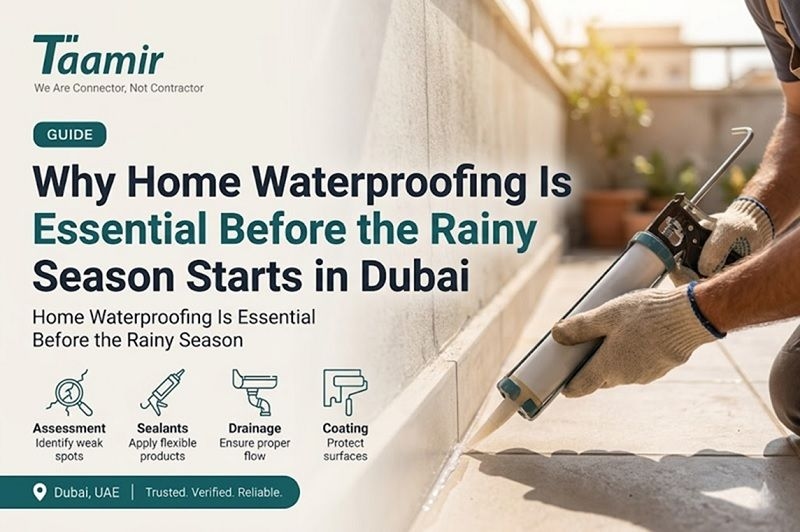
Although Dubai is known for its hot and dry climate, seasonal rainfall can still cause serious damage to residential properties that are not properly protected. Even a short period of heavy rain can expose hidden structural weaknesses, leading to costly repairs and long-term moisture problems.
Understanding why Home Waterproofing Is Essential Before the Rainy Season can help homeowners prevent water damage, extend the lifespan of their property, and avoid unnecessary maintenance expenses. In this guide, we'll explore the importance of waterproofing, the risks of delaying it, and the best ways to prepare your home before the rainy season arrives.
Why Waterproofing Matters in Dubai
Many homeowners assume that waterproofing isn't necessary because rainfall in Dubai is relatively limited. However, when storms do occur, they are often intense enough to overwhelm roofs, balconies, foundations, and drainage systems.
Without proper waterproofing, even a single storm can lead to:
Water leaks through ceilings and walls
Mold and mildew growth
Structural deterioration
Damage to flooring and interior finishes
Expensive emergency repairs
Preventive waterproofing is far more affordable than repairing extensive water damage after the fact.
How Dubai's Climate Affects Waterproofing Performance
Although rainfall is infrequent, Dubai's climate creates unique challenges for residential buildings. Extreme heat, intense UV exposure, sandstorms, and constant temperature fluctuations gradually weaken roofing materials and waterproof coatings.
As construction materials expand during the day and contract at night, small cracks can begin to develop. These tiny openings may go unnoticed until the rainy season arrives, allowing water to penetrate roofs, walls, and ceilings.
Regular inspections before seasonal rainfall help detect these weak points early, reducing the risk of expensive structural damage.
Common Areas Vulnerable to Water Damage
Every home has certain areas that are more susceptible to water infiltration.
Roofs
Flat roofs are common in Dubai and can easily collect standing water if drainage systems become blocked or waterproof membranes begin to deteriorate.
Balconies and Terraces
Damaged grout, cracked tiles, and poor drainage often allow rainwater to seep beneath the surface, leading to hidden deterioration.
Exterior Walls
Hairline cracks in exterior walls can gradually absorb moisture, causing paint damage and weakening structural materials.
Bathrooms and Wet Areas
Bathrooms experience constant moisture exposure. Without proper waterproofing beneath tiles, leaks can spread into adjacent rooms and lower floors.
Foundations
Water infiltration around foundations may compromise structural stability over time if left untreated.
Warning Signs Your Home Needs Waterproofing
Recognizing early warning signs can save thousands in future repair costs.
Look for:
Water stains on ceilings
Damp patches on walls
Bubbling or peeling paint
Mold or mildew growth
Musty odors
Cracked sealant around windows or bathrooms
Loose or damaged roof materials
Addressing these issues early is always more cost-effective than waiting for major damage to occur.
Benefits of Waterproofing Before the Rainy Season
Preparing your home before the rainy season offers numerous long-term advantages.
Protects Structural Integrity
A reliable waterproofing system prevents rainwater from reaching concrete, steel reinforcement, and internal building components.
Reduces Repair Costs
Preventive maintenance costs far less than repairing damaged ceilings, walls, flooring, or electrical systems after a leak.
Improves Indoor Air Quality
Keeping moisture out prevents mold growth, creating a healthier living environment for your family.
Extends Building Lifespan
Proper waterproofing protects construction materials from premature deterioration, increasing the lifespan of your property.
Preserves Property Value
A dry, well-maintained home is more attractive to buyers and tenants and often commands a higher market value.
Best Time to Waterproof Your Home
Timing plays a critical role in the effectiveness of any waterproofing project.
The ideal time is several weeks before the rainy season begins. Dry weather allows waterproof coatings and membranes to cure properly, ensuring stronger adhesion and better long-term performance.
Planning ahead also gives contractors enough time to inspect the property, repair existing damage, and complete the work without weather delays.
Types of Waterproofing Solutions
Different parts of a home require different waterproofing methods.
Roof Waterproofing
Specialized waterproof membranes and liquid coatings protect rooftops from rainwater and UV damage.
Bathroom Waterproofing
Waterproof barriers installed beneath tiles prevent moisture from leaking into surrounding walls and lower floors.
Balcony Waterproofing
Flexible waterproof coatings help prevent cracks and water penetration caused by weather exposure.
Exterior Wall Waterproofing
Protective sealants reduce water absorption while allowing walls to breathe naturally.
Foundation Waterproofing
Protecting the building foundation prevents long-term structural damage caused by moisture infiltration.
Choosing the Right Waterproofing Materials
Not all waterproofing products perform equally under Dubai's demanding climate.
When selecting materials, consider:
UV resistance
Flexibility during temperature changes
Crack-bridging capability
Long service life
High water resistance
Manufacturer warranty
Investing in premium materials often results in lower maintenance costs over the life of the building.
Why Professional Inspection Is Important
Many waterproofing problems remain hidden until visible damage appears.
Professional inspections can identify:
Damaged waterproof membranes
Roof drainage issues
Structural cracks
Moisture trapped inside walls
Areas vulnerable to future leaks
Detecting these problems early prevents costly repairs and extends the effectiveness of waterproofing systems.
Common Waterproofing Mistakes
Homeowners frequently make mistakes that reduce the effectiveness of waterproofing.
Some of the most common include:
Waiting until leaks become visible.
Ignoring small cracks.
Choosing low-quality waterproofing products.
Skipping routine maintenance.
Hiring inexperienced contractors.
Avoiding these mistakes significantly improves long-term protection.
Waterproofing Maintenance Tips
Even high-quality waterproofing systems require regular maintenance.
Recommended practices include:
Inspect roofs before every rainy season.
Keep drains and gutters clean.
Replace damaged sealants immediately.
Repair small cracks as soon as they appear.
Schedule professional inspections every few years.
Routine maintenance helps maximize the lifespan of your waterproofing investment.
How Waterproofing Adds Long-Term Value
Waterproofing is more than preventive maintenance—it's a smart investment.
A properly protected home offers:
Lower future maintenance costs
Greater buyer confidence
Higher resale value
Better protection for interior finishes
Increased durability of structural components
Whether you plan to live in your home for years or sell it in the future, waterproofing contributes to its long-term value.
When Leak Repairs Become Necessary
If water has already entered your home, immediate action is essential. Delaying repairs allows moisture to spread deeper into walls, ceilings, insulation, and structural components.
Professional leak repair in dubai services can accurately identify the source of water intrusion, repair the affected area, and help prevent recurring problems before more extensive damage occurs.
Frequently Asked Questions
How often should waterproofing be inspected?
A professional inspection every one to three years is generally recommended, depending on the age of the property and previous maintenance.
Can waterproofing be applied over existing surfaces?
In many cases, yes. However, surfaces must be properly cleaned, repaired, and prepared before a new waterproofing system is installed.
Is waterproofing expensive?
Preventive waterproofing is far more affordable than repairing structural damage caused by water intrusion. Investing early almost always reduces long-term costs.
conclusion
Understanding why Home Waterproofing Is Essential Before the Rainy Season is one of the smartest steps homeowners can take to protect their investment. Waterproofing is not only about preventing leaks—it also preserves structural integrity, improves indoor comfort, reduces maintenance costs, and increases property value.
By inspecting vulnerable areas, selecting high-quality waterproofing materials, performing regular maintenance, and addressing small issues before they become major problems, you can ensure your home remains safe, dry, and fully prepared for Dubai's rainy season year after year.