
Glass and Windows in Dubai: Cutting Heat, Noise and Dust
People replace windows in Dubai for three reasons, and it is almost always one of these: the room gets too hot, the outside is too loud, or dust keeps finding its way in. The good news is that each has a specific fix, and knowing which one you actually need stops you paying for glass that solves a problem you do not have.
Heat is answered by double glazing and coated glass. Noise is answered by laminated glass, uneven pane thicknesses and a good seal. Dust is answered by seals and gaskets rather than by the glass at all. This guide goes through each, plus the frames, the glass types worth knowing, and what to ask before you compare verified glass and window professionals on Taamir.
Find a verified glass and window professional.
Find a Provider
Problem one: heat
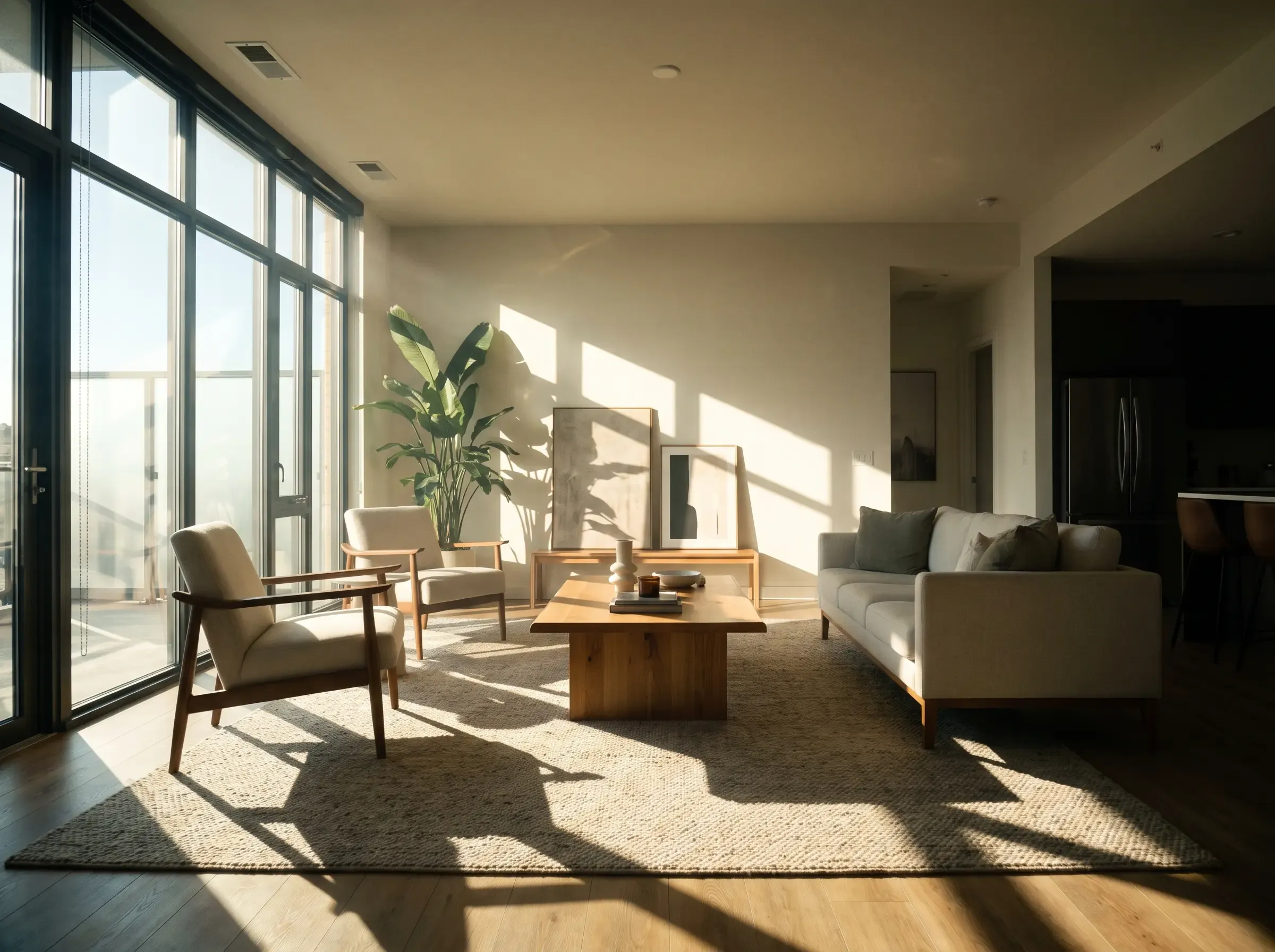
Glass is the weakest point in any wall for heat. A window lets sunlight straight in, where it turns into warmth your air conditioning then has to remove. West-facing rooms feel it most, from mid-afternoon until sunset.
Three things fix it, in order of how much difference they make.
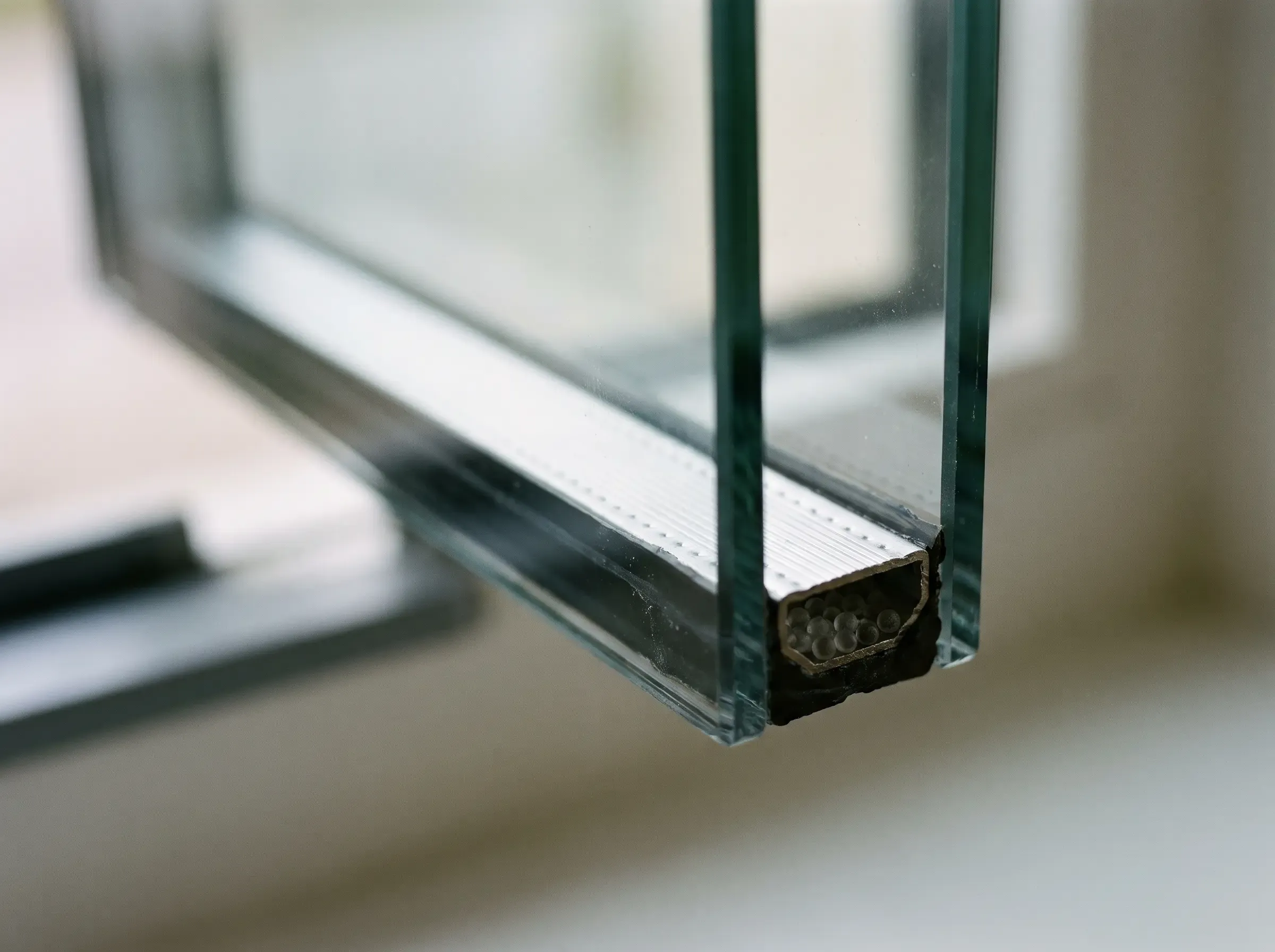
Double glazing. Two panes of glass with a sealed cavity between them. The cavity is the insulator, so heat has a far harder time crossing. This is the single biggest improvement available, and it helps with noise at the same time.
A low-emissivity coating. An almost invisible metallic layer on the glass that reflects heat while still letting light through. This is what lets you keep a bright room without the heat that normally comes with it. If you are specifying new glass, ask about it by name.
Tinting or solar film. Applied to existing glass, so it is the option that does not require replacing anything. It rejects a share of the heat before it enters and keeps the view. In apartments, check with building management first, since anything visible on the façade often needs approval.
Glazing performance is taken seriously at building level too. Dubai Municipality's Al Sa'fat green building system sets requirements for the building envelope, glazing included, because windows are where a building gains most of its unwanted heat.
Problem two: noise
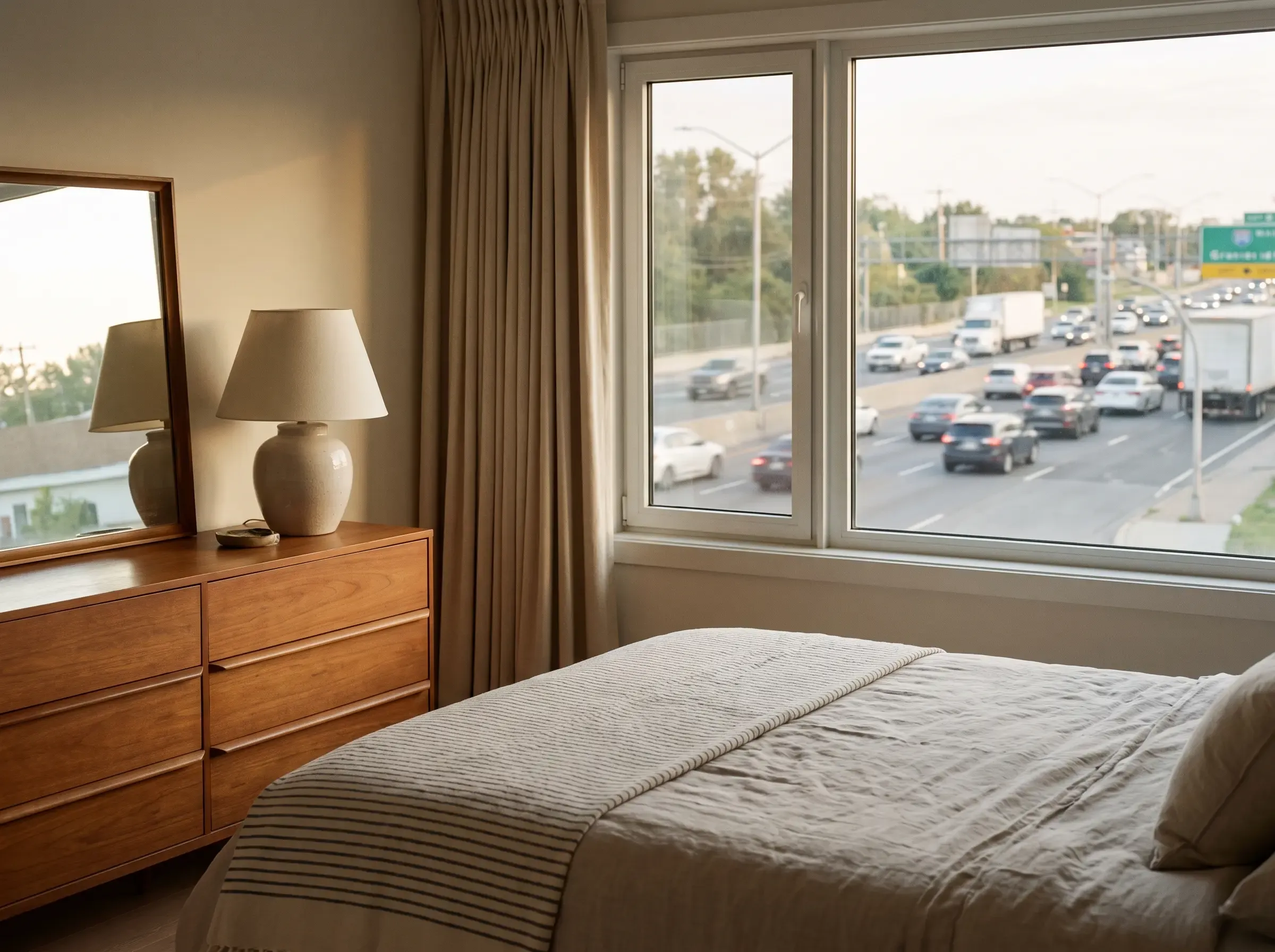
Traffic, construction and neighbours are the usual sources, and glass choice makes a large difference. Three things matter.
Laminated glass. Two panes bonded with an interlayer that damps vibration. It is the most effective single upgrade for sound, and it is also safety glass, so it holds together if broken.
Different pane thicknesses. A double glazed unit with two identical panes lets certain frequencies through both. Using panes of unequal thickness disrupts that, which is why an asymmetric unit outperforms a symmetric one for noise even with the same total glass.
The seal, which matters more than people expect. This is the practical point worth knowing: hinged and casement windows that press closed against a gasket seal far better than sliding windows, which run in a track and always have a path for air. If noise is your main concern and you have a choice of opening type, that decision matters as much as the glass.
There is also secondary glazing — a second window fitted inside the existing one — which can be a strong option in apartments where the external window cannot be changed. Worth asking about if you are told the façade is fixed.
Problem three: dust
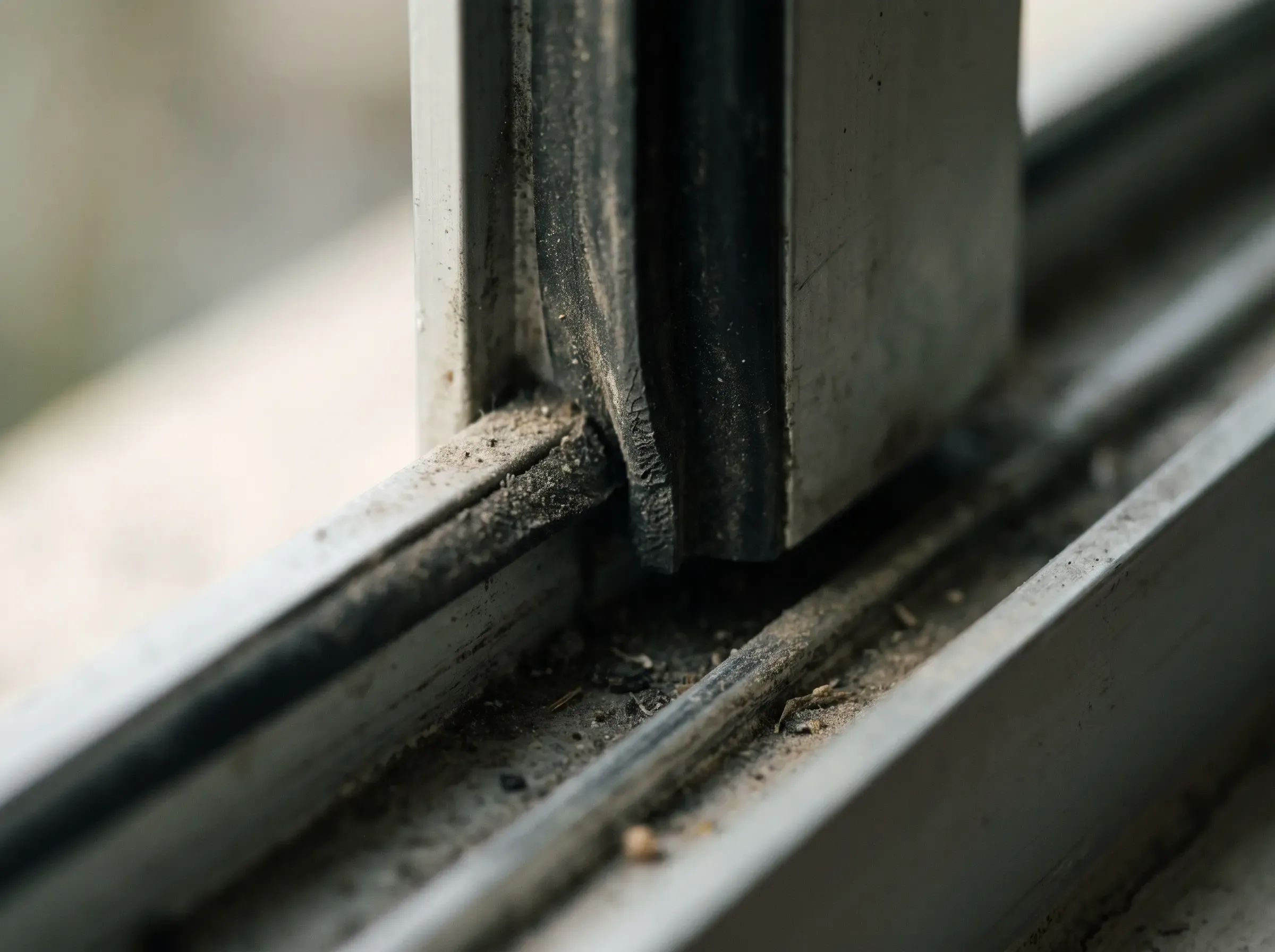
Dust is not really a glass problem, which is why replacing the glass rarely fixes it. It comes in through gaps: perished gaskets, worn seals, tired sliding tracks, and the joint where the frame meets the wall.
So the fix is usually sealing rather than replacement. A professional should check the gaskets around each opening panel, the condition of the tracks and rollers, and the perimeter seal between frame and wall. Replacing a gasket is a small job compared with a new window, and it also improves both heat and noise slightly as a side effect.
Keep the tracks clear too. Sand and grit in a sliding track wear the rollers and stop the panel closing tightly, which quietly makes the gap worse over time.
The glass types worth knowing
Float glass — standard single glazing. Fine for internal use, weak on heat and noise.
Tempered glass — heat treated so it is much stronger, and crumbles into blunt pieces rather than shards. Used where safety matters.
Laminated glass — panes bonded with an interlayer. Best for sound, and it holds together when broken.
Double glazed units — two panes with a sealed cavity. The main answer for heat.
Low-emissivity glass — a coating that reflects heat while passing light.
Tinted glass — colour in the glass itself, reducing glare and heat.
Frosted or obscured glass — for privacy, usually bathrooms and partitions.
Smart or switchable glass — turns from clear to opaque electrically. A premium option for partitions and privacy.
Most residential upgrades here end up as a double glazed unit with a low-e coating, and laminated on the outer pane if noise is a concern.
Frames matter as much as glass
Putting excellent glass in a poor frame wastes the glass.
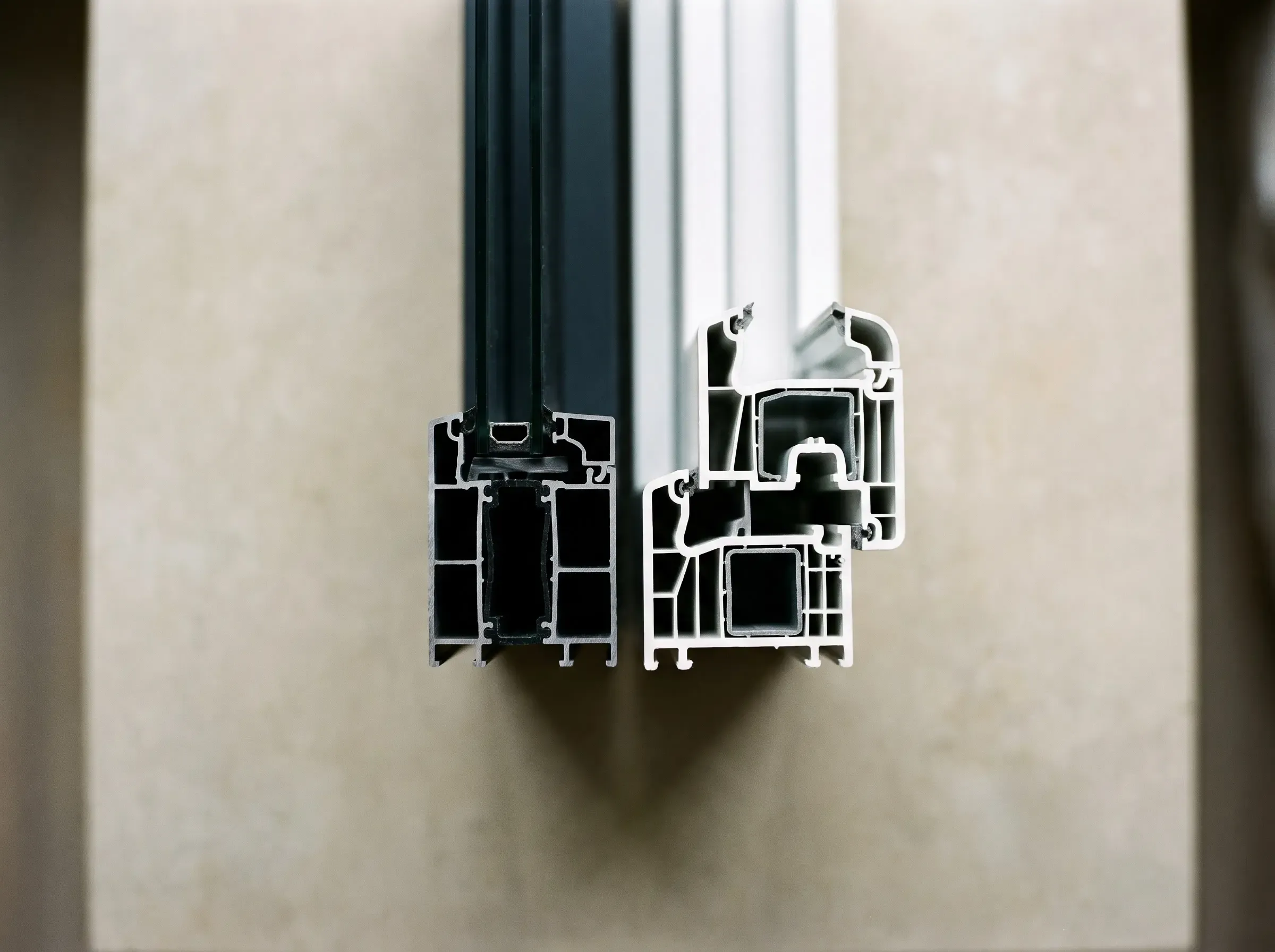
Aluminium is strong, slim and the most common choice here. Plain aluminium conducts heat readily, so look for a thermally broken version, which has an insulating barrier inside the profile that stops heat travelling straight through the frame.
uPVC insulates better than plain aluminium and seals well, though the profiles are chunkier, so you lose a little glass area and the look is different.
Whichever you choose, ask about the gaskets and the hardware, because those are what create the seal and what wears out first.
Apartment or villa
In a villa, the windows are yours and you can specify what you like, subject to your community's rules on anything that changes the exterior appearance.
In an apartment, the façade is usually shared, so replacing external glazing generally needs building management approval and sometimes is not permitted at all. That is exactly where interior options come in: secondary glazing, solar film, and reseal work can often be done without touching the façade. Ask your building management what is allowed before you get quotes, because it changes what you are shopping for.
Where safety glass is expected
Some positions call for toughened or laminated glass rather than ordinary float: glass doors and side panels, low-level glazing near floor height, shower screens and bath surrounds, and balustrades. A competent installer will specify it without being asked, and it is a reasonable thing to confirm when comparing quotes.
What to ask before you book
Is my problem heat, noise or dust, and what specifically fixes that one?
Is the unit double glazed, and does the glass have a low-e coating?
Is the aluminium thermally broken?
For noise, is the glass laminated, and are the two panes different thicknesses?
Are the gaskets and hardware included, or only the glass?
Do you seal the perimeter between frame and wall?
Is safety glass being used where it is needed?
What is the warranty, and does it cover the sealed unit against misting?
That last one matters. When a double glazed unit fails, moisture appears between the panes and cannot be cleaned off. It is the most common long-term fault, so ask what the cover is.
Frequently Asked Questions
Is double glazing worth it in Dubai?
Yes, for rooms that get hot or noisy. The sealed cavity between the two panes slows heat crossing the glass, which is where most unwanted heat enters a room, and it reduces sound at the same time. Pairing it with a low-emissivity coating makes a bigger difference again.
What is the best glass for reducing noise?
Laminated glass, ideally in a double glazed unit where the two panes are different thicknesses. Equal panes let certain frequencies through both, while unequal ones disrupt that. The seal matters too, which is why hinged windows usually outperform sliding ones for noise.
Why does dust still come in through my closed windows?
Almost always through gaps rather than the glass — perished gaskets, worn sliding tracks and rollers, or a failed seal where the frame meets the wall. Resealing is a much smaller job than replacement and usually solves it.
Can I change my windows in an apartment?
Often not the external glazing, since the façade is usually shared and controlled by building management. Interior options normally are possible: secondary glazing fitted inside the existing window, solar film, and resealing. Ask building management what is allowed before getting quotes.
What is thermally broken aluminium?
Aluminium conducts heat well, which is unhelpful in a window frame. A thermally broken profile has an insulating barrier inside it that interrupts that path, so the frame does not undo the work the glass is doing. Worth asking about specifically.
Fix the problem you actually have
Heat, noise and dust have different answers, and paying for the wrong one is the most common mistake in this category. Work out which is bothering you, then ask for the specific thing that solves it. Find and compare verified glass and window professionals on Taamir, check their quality signals, and contact them directly